

 English
 Español


Industry News
Home / News / Industry News / What Is Plastic Injection Molding? Process, Materials, and Design Basics
Content
Plastic injection molding is a manufacturing process in which plastic pellets are melted, forced into a closed steel mold under high pressure, cooled until solid, and then ejected as a finished component. It is the preferred production method for most plastic parts made at medium to high volume because it delivers repeatable dimensions, short cycle times, and low unit cost after the mold is built. The mold is the deciding factor: it controls filling, cooling, shrinkage, and part quality.
An injection molding cycle moves through the same sequence on virtually every machine:
Total cycle time can be under 10 seconds for thin-wall parts and several minutes for thick or large parts. Mold temperature, resin grade, wall thickness, and gate geometry jointly set that cycle.
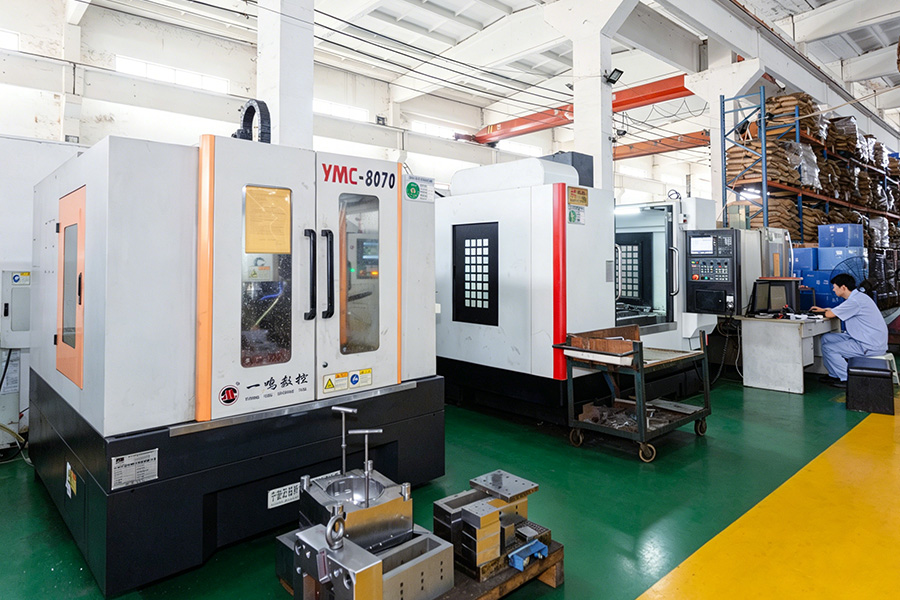
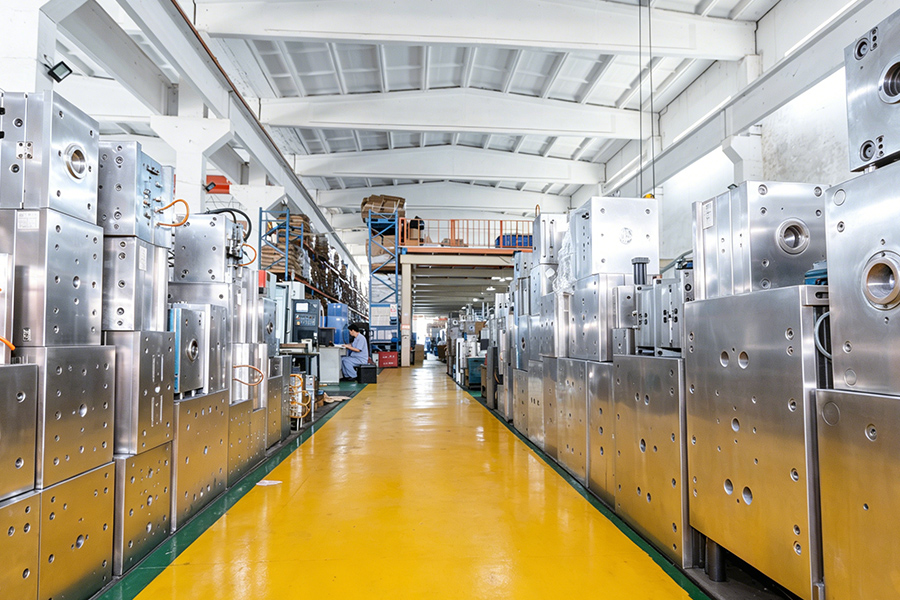
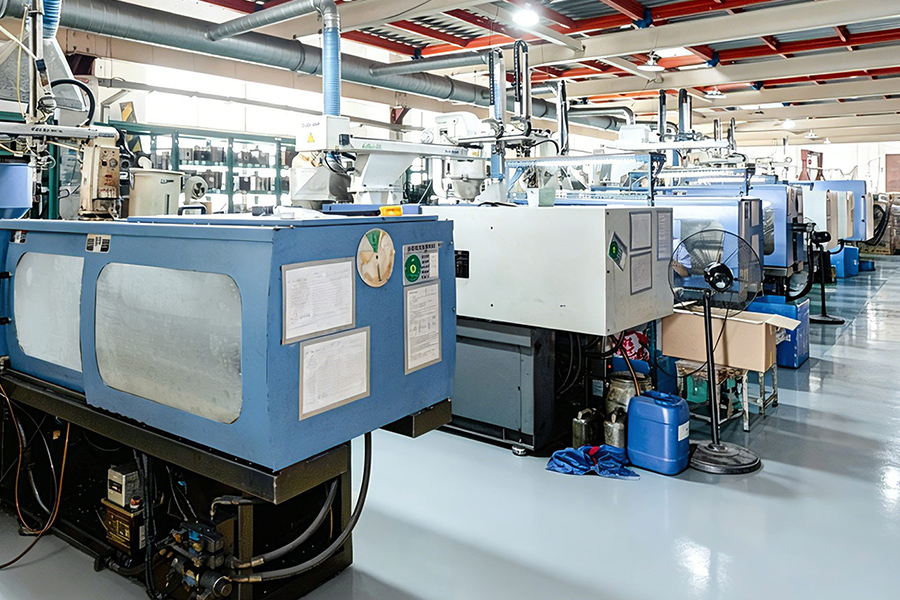
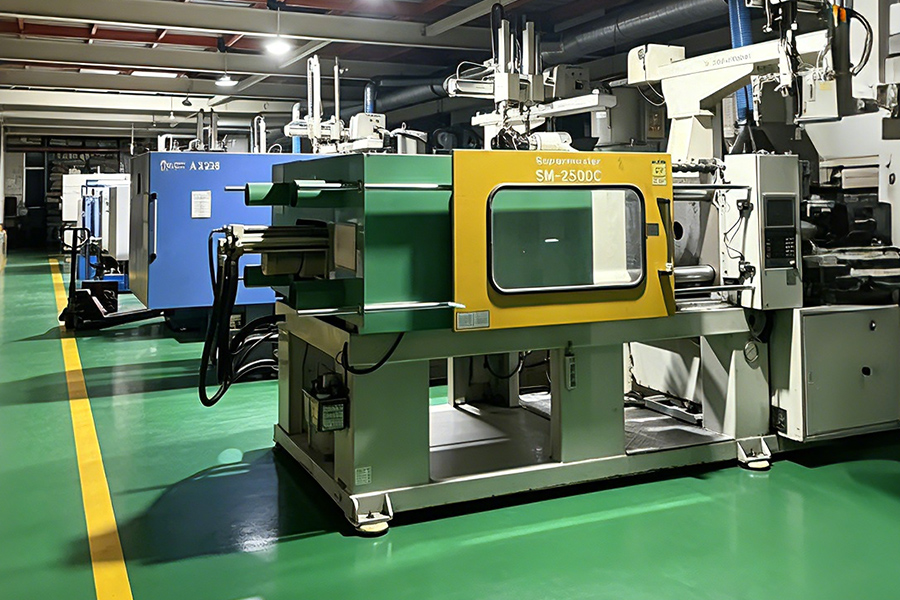
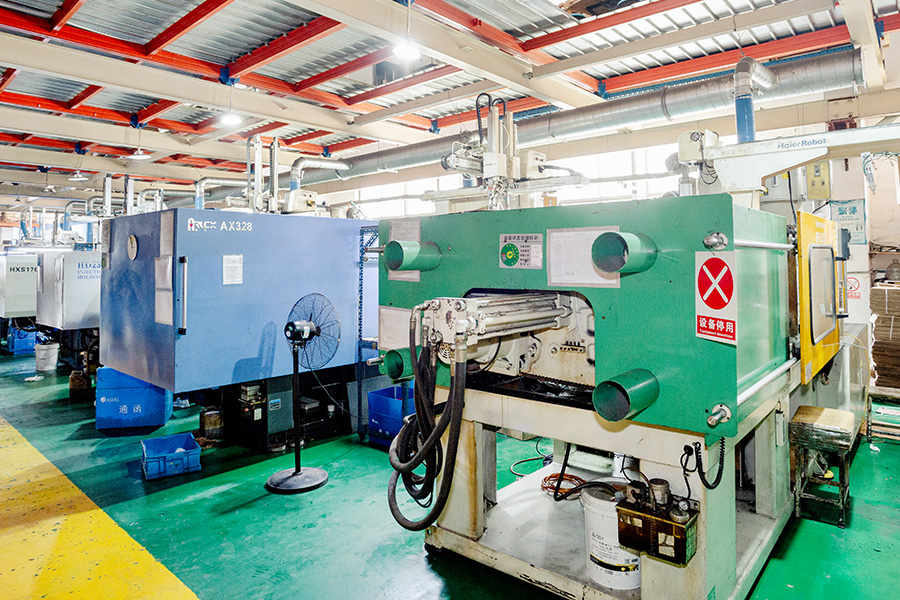
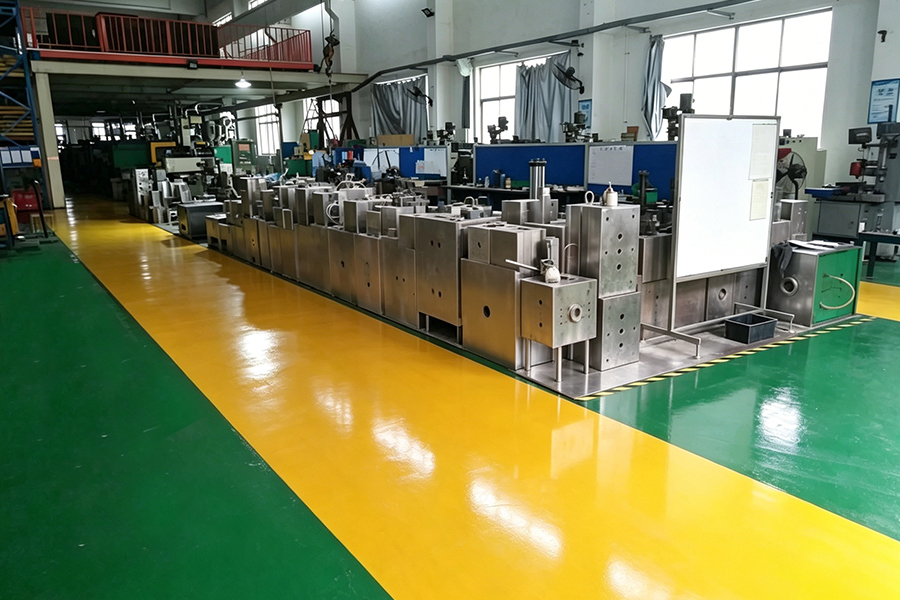
An injection molding machine has two main units: the injection unit melts and meters the plastic; the clamping unit opens, closes, and holds the mold. Mold tooling is the most important investment in the process. Because tool steel and cavity geometry directly affect surface finish and tolerance, manufacturers that build and maintain tooling internally can react faster to engineering changes.
| Component | Role |
|---|---|
| Core and cavity | Form the visible surfaces and internal features of the part. |
| Runner and gate | Direct molten resin from the nozzle to the cavity; gate location affects weld lines and filling. |
| Cooling lines | Remove heat and control cycle time and warpage. |
| Ejector pins | Push the cooled part out of the cavity without distortion. |
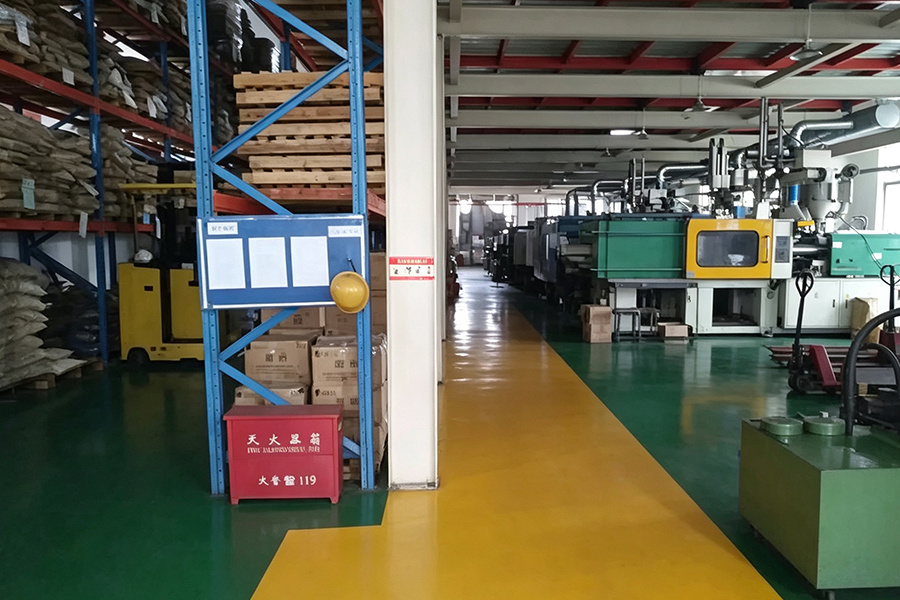
A full-service shop such as Shanghai Pingzhou Plastic Products Co., Ltd. keeps both disciplines under one roof: it makes molds with CNC machining, EDM, wire cutting, grinding, and deep-hole drilling, and it injection-molds parts using more than 20 machines of different clamping tonnages.
Most injection molding uses thermoplastic polymers, which soften when heated and harden when cooled, making sprues and runners recyclable. Commodity and engineering resins cover most applications.
Material selection interacts with mold design. Crystalline resins shrink differently from amorphous ones, and glass-filled grades demand harder mold steel and more wear-resistant gate designs.
Good injection molding design begins with an even wall thickness. Variations in thickness cause differential shrinkage, sink marks, and warpage. Draft angles allow parts to release cleanly from the mold without surface scratches. Generous radii and smooth transitions reduce stress concentration and improve resin flow.
| Feature | Guideline |
|---|---|
| Wall thickness | Keep uniform, about 1.0 to 4.0 mm for most thermoplastics; use thicker sections only when structural needs require them. |
| Draft angle | Use 0.5 to 2 degrees per side; textured surfaces need more draft. |
| Tolerances | Commercial parts typically hold +/-0.005 in.; precision molding can hold +/-0.001 to 0.002 in. with stable resin and process control. |
| Gate location | Place at the thickest section to promote flow and minimize weld lines in high-load areas. |
Design for manufacturability should be reviewed before steel is cut. A mold with poor gate placement can create short shots, burns, flow marks, flash, or unwanted weld lines. These defects are costly to fix after tool making has begun.
The advantages of injection molding explain its wide use in manufacturing:
The limitations are mostly economic and geometric:
For high production volumes, the fixed tooling cost is spread over many parts, which is why injection molding remains the most economical process at scale.
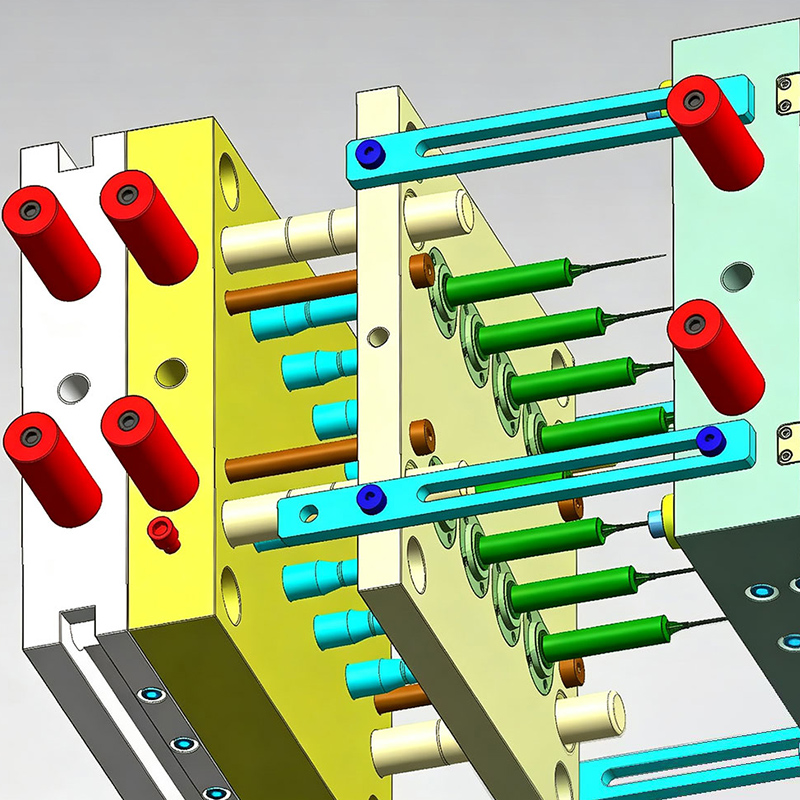 Medical Syringe Injection Molds for High-Volume Precision PartsThese molds produce syringe components from medical-grade resins with high transparency and tight tolerances, supporting 32- or 48-cavity runs. They suit disposable, pre-filled, contrast media, and insulin syringes where clean surfaces and sterilization resistance are critical.View Product →
Medical products such as syringes, infusion connectors, and test tubes require clean parting lines, smooth surfaces, resin purity, and tight dimensional control. Injection molding is often the only process that can hold the tolerances of a Luer fitting at production speed. The mold must be designed with balanced filling, adequate venting, and precise temperature control to avoid flash and trapped gas. If you are evaluating the process for a specific disposable or diagnostic device, this summary of medical injection molding explains additional requirements for material validation and production control.
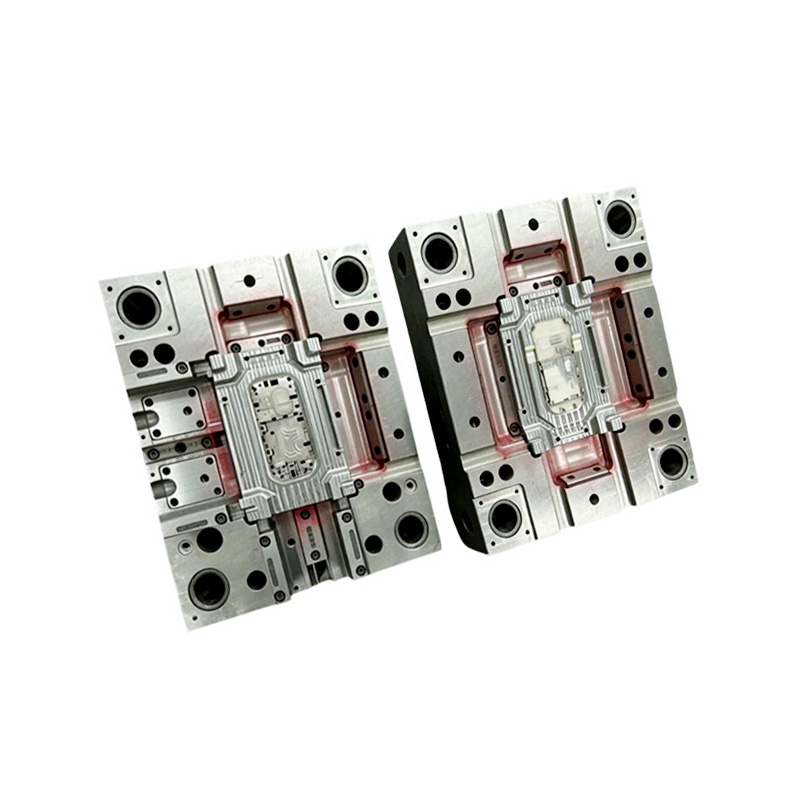
 Electronic Connector Injection Molds for High-Density ComponentsThis tooling handles LCP and PA9T materials for thin-wall connector housings that withstand lead-free reflow soldering. It offers dimensional stability and flame retardancy, making it relevant for 5G, automotive, Type-C, and industrial sensor applications.View Product →
Connectors, relay housings, LED display frames, and micro gears are small but demanding parts. Wall sections are thin, inserts may be metal, and flatness often matters for automatic assembly. Injection molding works because the mold can be made from hardened steel with precisely ground shutoff surfaces, and because the process can manage a very small shot weight. A reliable mold prevents flash from shorting contacts and uses gate locations that reduce stress around plated terminals.
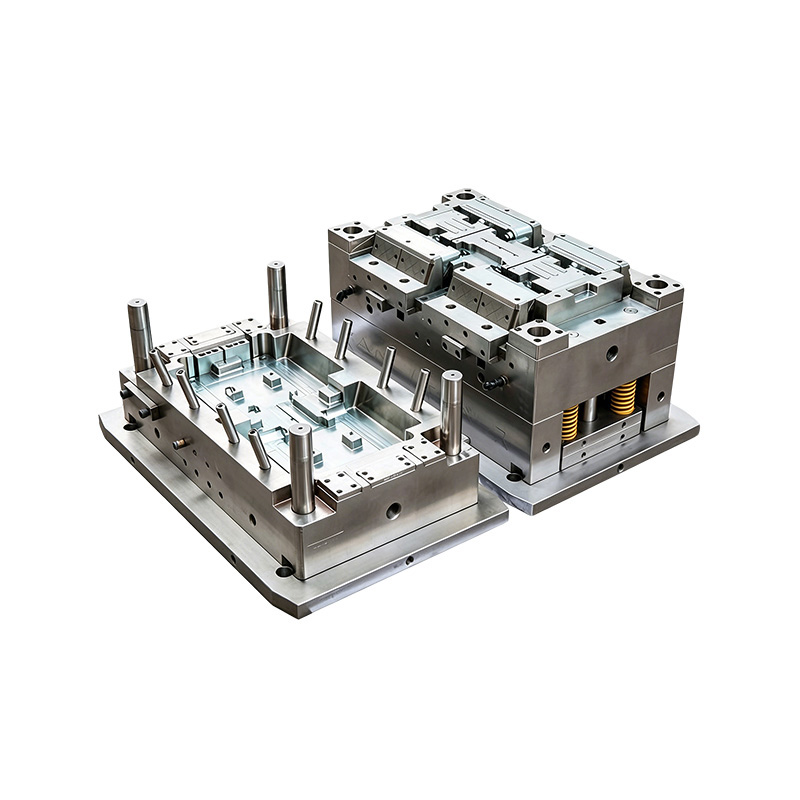
 Automotive Dashboard Injection Molds with Integrated FeaturesThese molds create lightweight dashboard frameworks and trim strips from modified PP or PC/ABS, combining high strength with Class A finishes. They support weight reduction and efficient production, addressing structural and aesthetic needs for passenger and commercial vehicles.View Product →
Automotive interior parts such as instrument panel structures, door trim, lamp housings, and other visible components combine Class A surfaces with mounting features and long-term dimensional stability. Injection molding produces these in one molding cycle when the tool is built correctly. The quality of a dashboard tool depends on exact matching of cavity and core, controlled surface texture, and cooling-channel design that prevents sink marks and warpage. In-house tooling experience is directly visible in these large, high-cavity tools.
Once a part design is fixed, the supplier’s mold-making and molding capability determines price, quality, and schedule. Ask about clamping tonnage, maximum mold size, quality control, mold maintenance, and communication. A shop that does both mold design and molding in-house can identify manufacturability problems before steel is cut. Shanghai Pingzhou Plastic Products Co., Ltd. is positioned this way; it has built molds for automotive interiors, electronic connectors, appliance housings, and medical disposables, with production runs on its own injection machines. Review the application coverage to see whether the mold types match your product. The discussion should include a DFM review, exact tolerances, material shrinkage, mold steel selection, and pilot-run quantities.
Plastic injection molding is, at heart, a tooling business. The machine pushes plastic into a cavity, but the mold determines how consistently the part fills, cools, and ejects. For engineers and purchasing teams, the fastest route to a reliable part is to choose a partner that understands both tooling and process, and to settle the design and tolerance conversation before committing to steel.
 View More View More
 View More View More View More
 View More

+86-18939901200

+86-021-57800460

shpzsj@163.com

No. 88, Yechang Road, Yexie Town, Songjiang District, Shanghai, China
 Custom Precision Plastic Injection Mold Manufacturers