What Is Medical Injection Molding?
Medical injection molding is a manufacturing process that shapes molten medical-grade plastic into precise, repeatable components by injecting it into a hardened steel mold under controlled pressure and temperature. Unlike general industrial molding, this process is built around biocompatibility, dimensional accuracy, and cleanliness, since the resulting parts often come into direct contact with patients, bodily fluids, or pharmaceutical formulations. Components produced this way range from surgical instrument housings and infusion connectors to respiratory masks and in-vitro diagnostic (IVD) consumables, each requiring its own combination of resin, tooling geometry, and cavity layout.
How the Molding Process Works
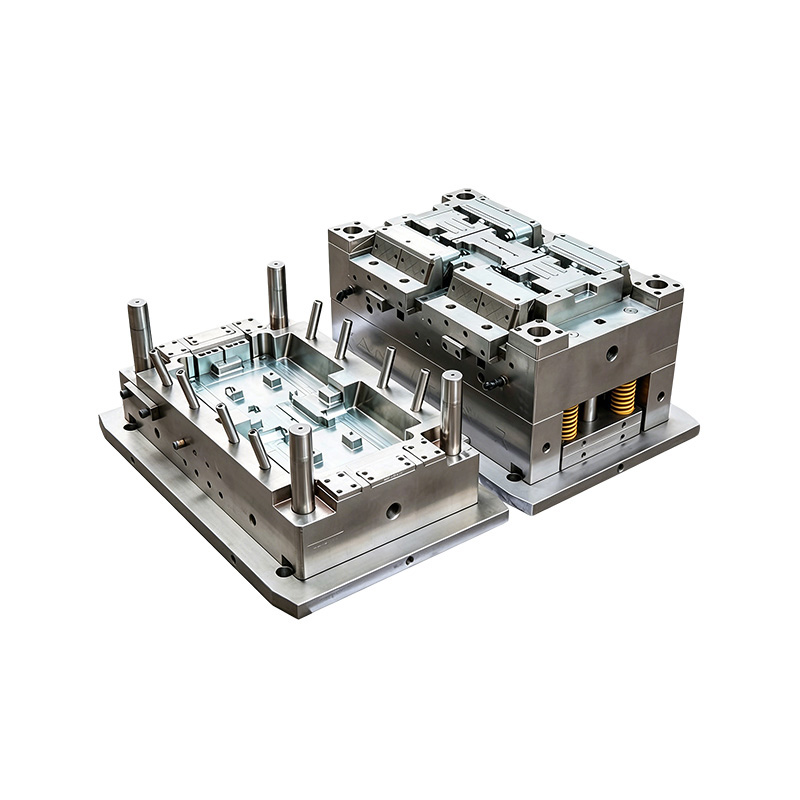
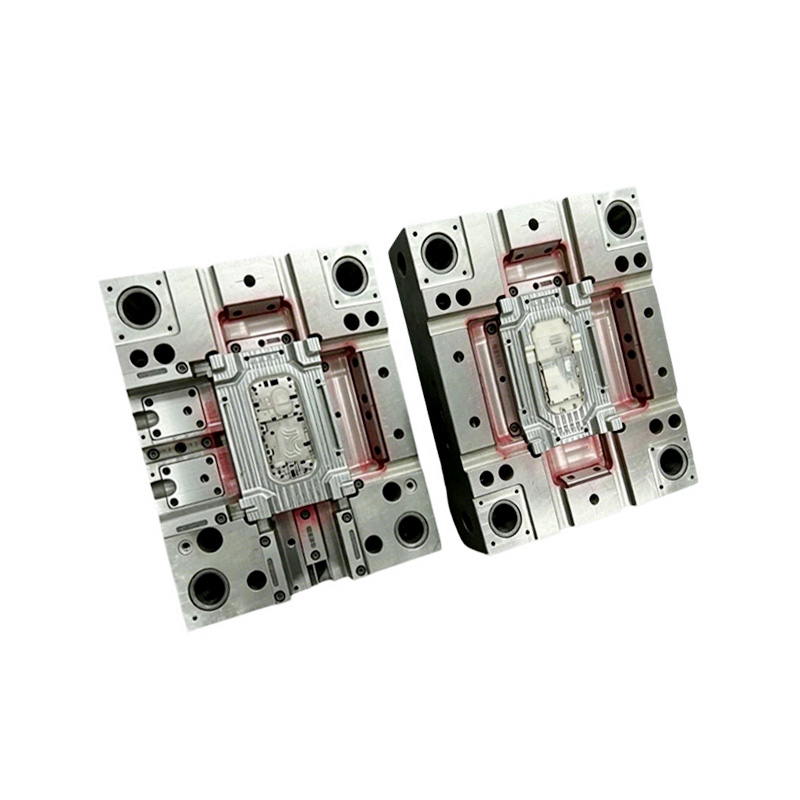
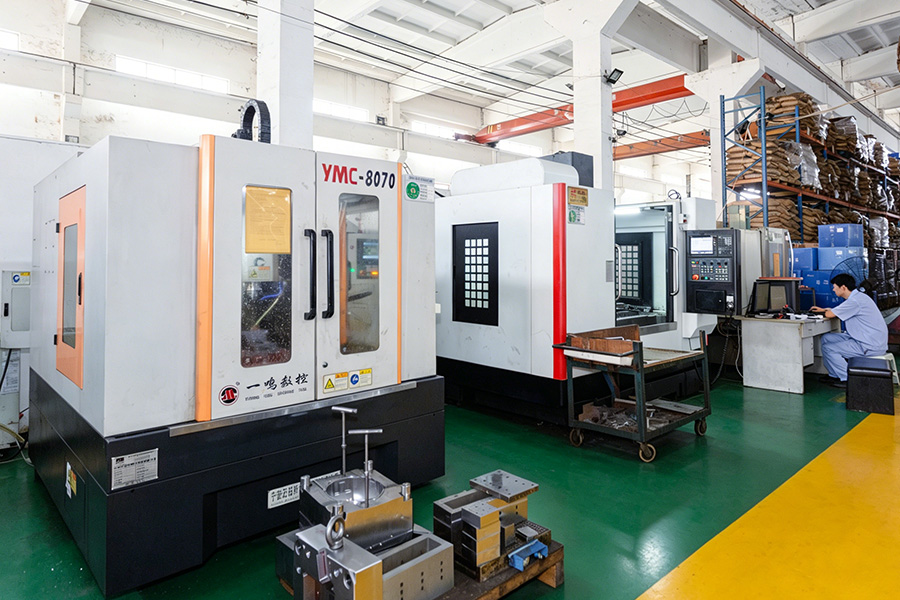
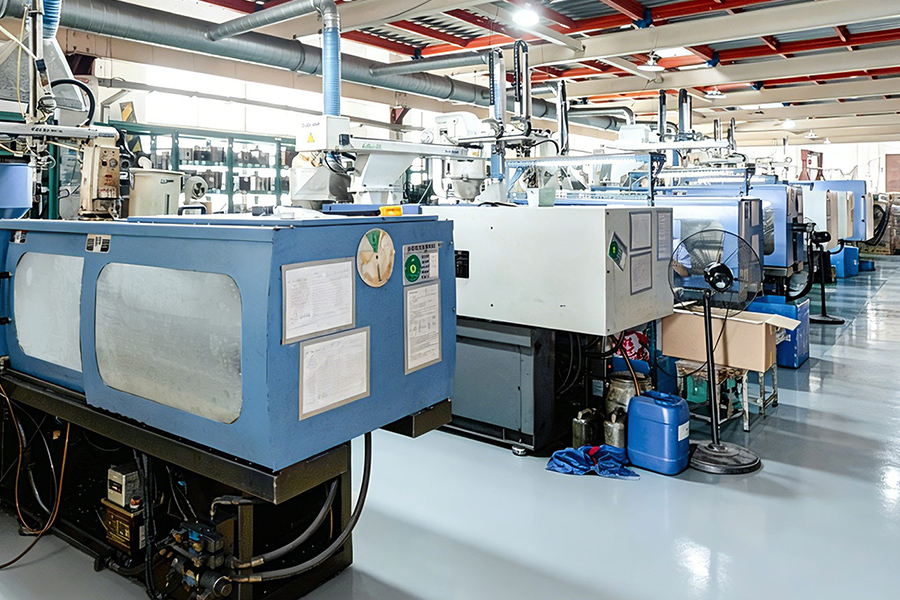
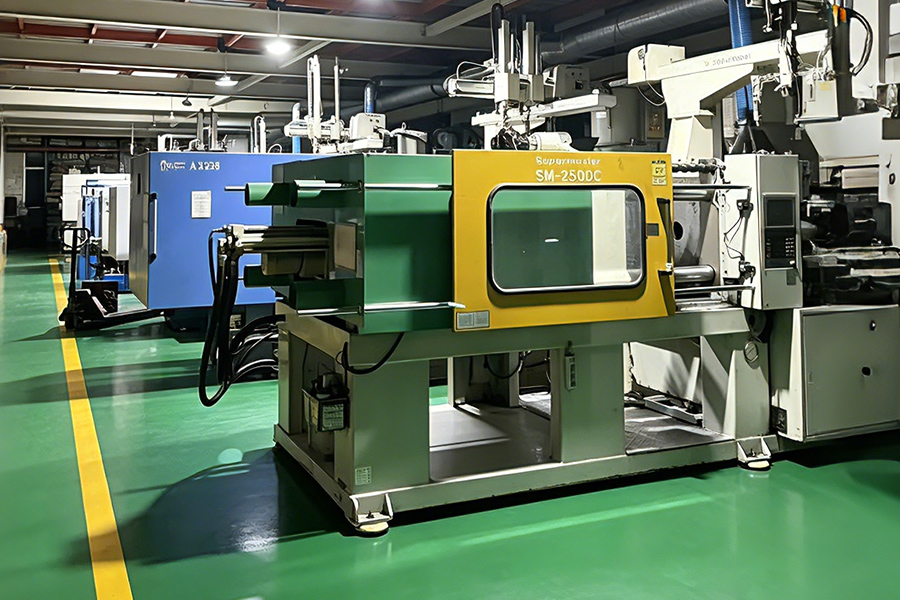
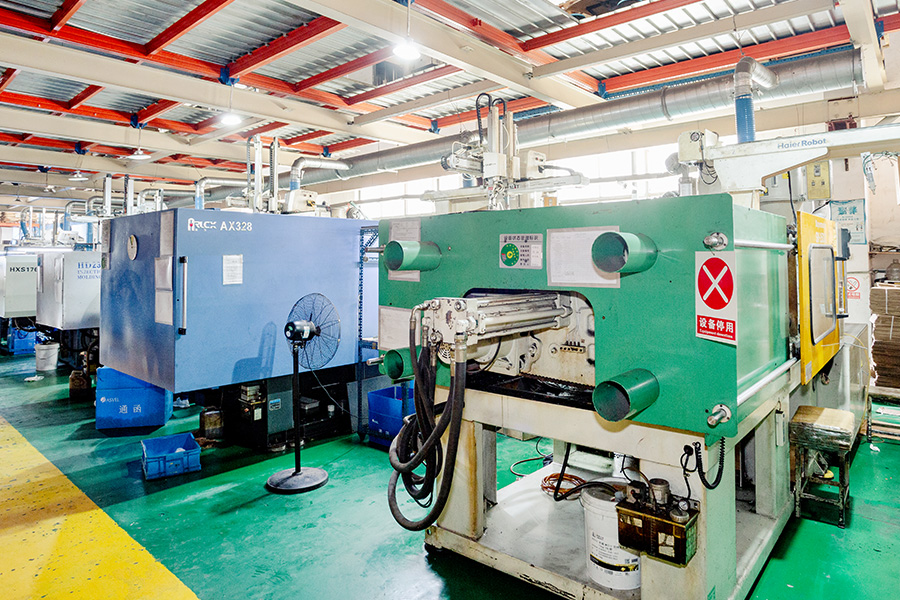
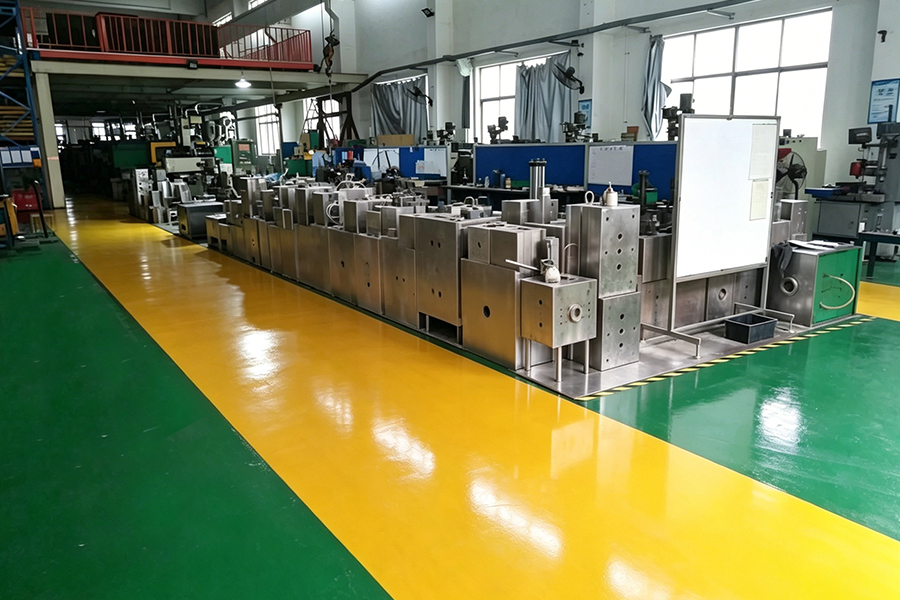
The process begins with a mold, typically machined from corrosion-resistant tool steel, that contains one or more precisely shaped cavities. Medical-grade resin pellets are heated until molten, then injected into these cavities under pressure that can range from several hundred to over a thousand bar, depending on part geometry and wall thickness. Once the material cools and solidifies, the mold opens and ejects the finished part, often in a matter of seconds. Because medical components frequently have thin walls, tight tolerances, and complex internal channels, tool makers rely on high-speed milling for shaping structural surfaces and mirror-finish EDM (electrical discharge machining) for fine detail work such as flow channels and sealing surfaces, both of which help achieve the surface finish and repeatability that regulated devices require.
Materials Commonly Used
Material selection plays a central role in medical injection molding, since the resin must withstand sterilization, resist chemical interaction with drugs, and in many cases remain transparent enough for visual inspection of fluid contents.
Polypropylene and Polycarbonate
Polypropylene (PP) is widely used for its chemical resistance and steam autoclave tolerance, while polycarbonate (PC) offers high transparency and impact resistance for components such as syringe barrels or connector housings.
Cyclic Olefins and Elastomers
Cyclic olefin polymers and copolymers (COP/COC) are often chosen when drug compatibility and low moisture absorption are priorities, since they reduce the risk of interaction between the plastic and sensitive formulations. Thermoplastic elastomer (TPE) is commonly paired with rigid plastics in connectors and seals, adding flexibility and a reliable pressure seal without introducing latex-related concerns.
| Material |
Typical Properties |
Common Use |
| PP |
Chemical resistance, steam sterilization tolerance |
Syringe components, IVD consumables |
| PC |
High transparency, impact resistance |
Connector housings, syringe barrels |
| COP/COC |
Low drug adsorption, moisture resistance |
Pre-filled syringes, contrast media devices |
| TPE |
Flexibility, sealing performance |
Infusion connectors, seals |
Common resin choices in medical injection molding and their typical applications.
Tooling Design and Multi-Cavity Production
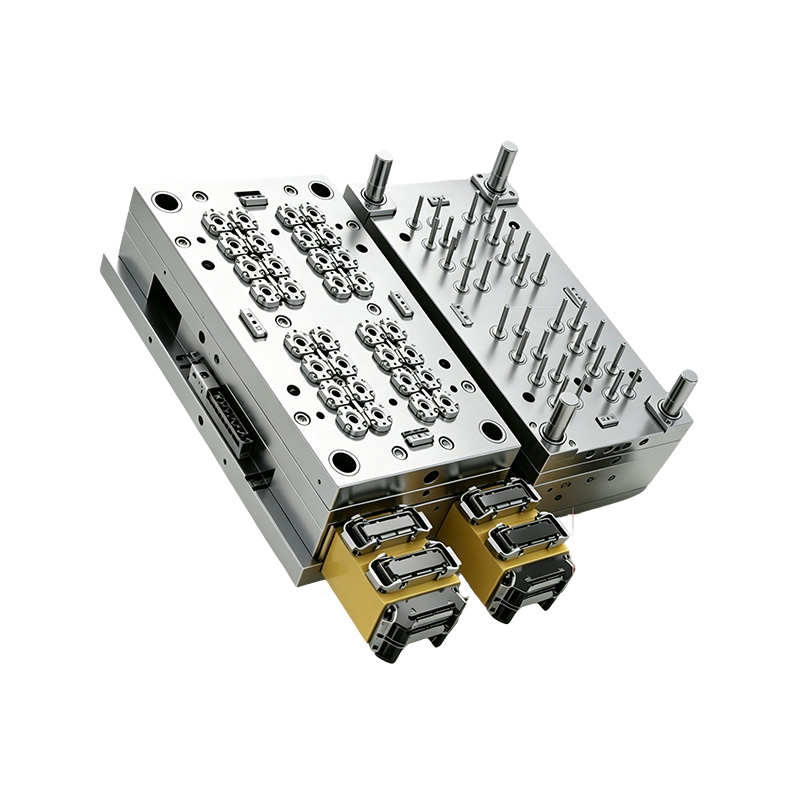
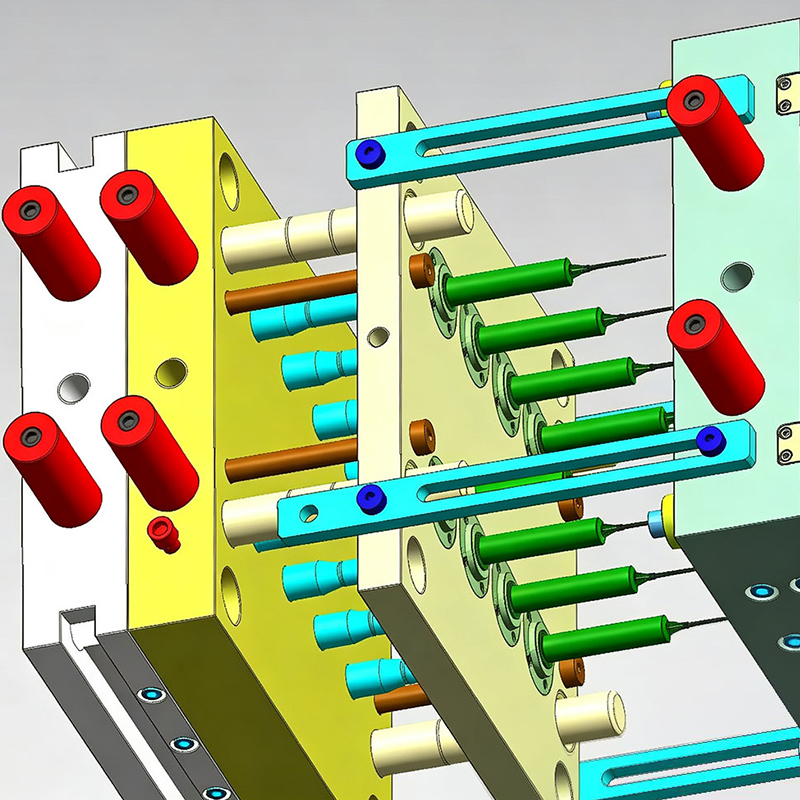
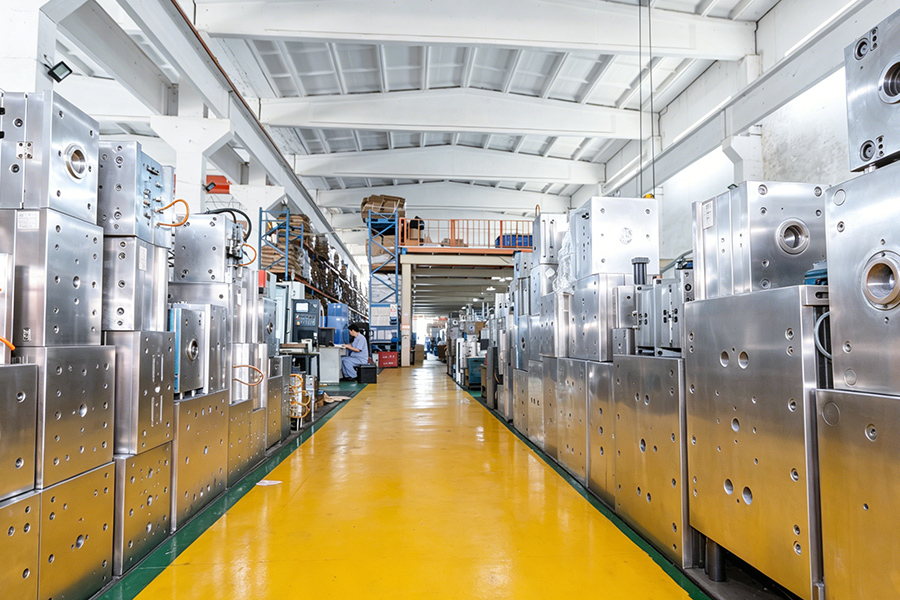
For high-volume disposable devices such as syringes, molds are frequently built with multiple cavities, sometimes 32 or 48 cavities within a single tool, so that many identical parts are produced in one cycle. This is paired with hot runner systems that keep the resin in a molten state as it travels from the injection unit into each cavity, reducing material waste and improving consistency between cavities. Mold surfaces are also designed to avoid dead zones where residue could accumulate, an important consideration for maintaining a controlled, sterile production environment and for simplifying cleaning and validation between production runs. Wall thickness across a part is kept as uniform as possible, since uneven cooling can lead to warping, sink marks, or inconsistent strength in thin-walled medical components.
Design Validation and Quality Control
Before full production begins, a Design for Manufacturability (DFM) review typically evaluates whether a proposed part geometry can be molded reliably, checking factors such as draft angles, wall thickness transitions, and gate placement. This is followed by mold trial runs, where sample parts are produced and measured against engineering drawings to confirm dimensional accuracy before mass production starts. Full-dimensional inspection reports document these measurements, and molds are typically supported through their working life with scheduled maintenance and periodic refurbishment to counter the gradual wear that repeated high-pressure cycles place on cavity surfaces. This ongoing upkeep helps maintain molding stability over time and extends how long a tool can remain in productive use, which in turn affects the overall cost of producing each part.
Typical Applications in Medical Devices
Syringes and Drug Delivery
Disposable sterile syringes rely on injection-molded barrels and plungers made from transparent, biocompatible resin, since transparency allows clinicians to visually confirm dosage and check for air bubbles before administration. Pre-filled syringes and contrast media syringes place additional demands on the mold, since the plastic must avoid interacting with the drug formulation over its shelf life, which is one reason COP and COC resins are frequently specified.
Infusion and Fluid Delivery Systems
Infusion connectors depend on molded parts to form internal flow channels as a single integral piece, avoiding the seams or joints that could otherwise become leak points or trap microbial contamination; some connector designs incorporate needle-free or anti-reflux mechanisms molded directly into the part to reduce the risk of needlestick injuries during use. Beyond these examples, respiratory masks, hemodialysis tubing fittings, anesthesia infusion system components, and various IVD consumables such as sample cartridges and test cassettes are also produced through the same general process, adapted to each part's specific tolerances and material requirements.
Sterilization Compatibility
Because molded medical components typically undergo sterilization before use, resin selection and mold design need to account for the specific method involved. Ethylene oxide (EO) sterilization is common for parts sensitive to heat or radiation, while gamma or e-beam radiation sterilization is often applied to components made from radiation-stable resins such as certain grades of PP or PC. Some devices, including reusable surgical instrument components, are instead designed to tolerate repeated steam autoclaving, which requires resins and structural designs capable of withstanding high temperatures without warping or degrading. Matching the resin and part geometry to the intended sterilization method early in the design process helps avoid costly rework later in development.


 Custom Precision Plastic Injection Mold Manufacturers


 English
 Español