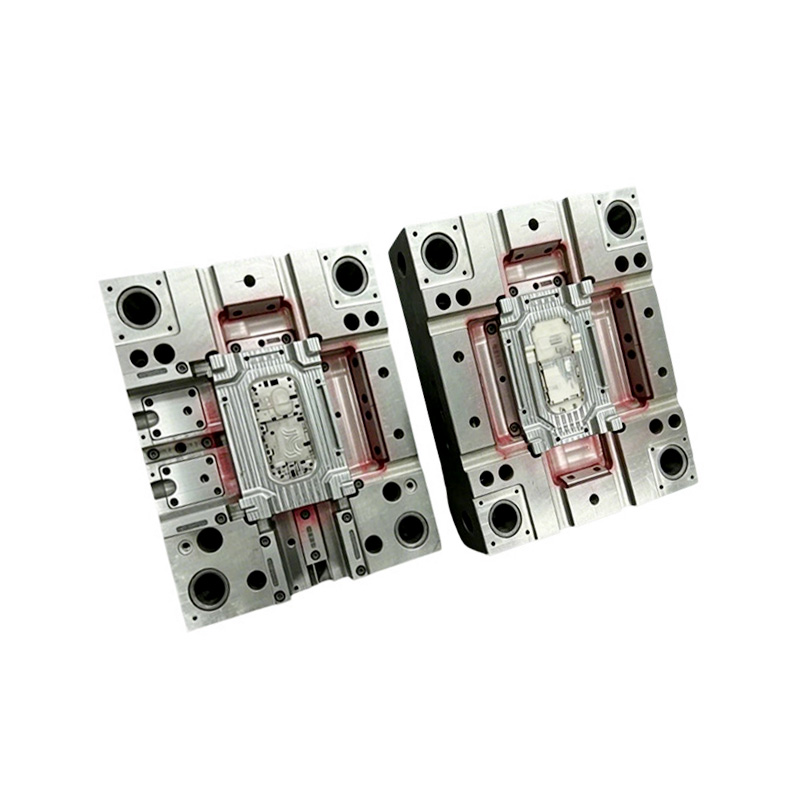
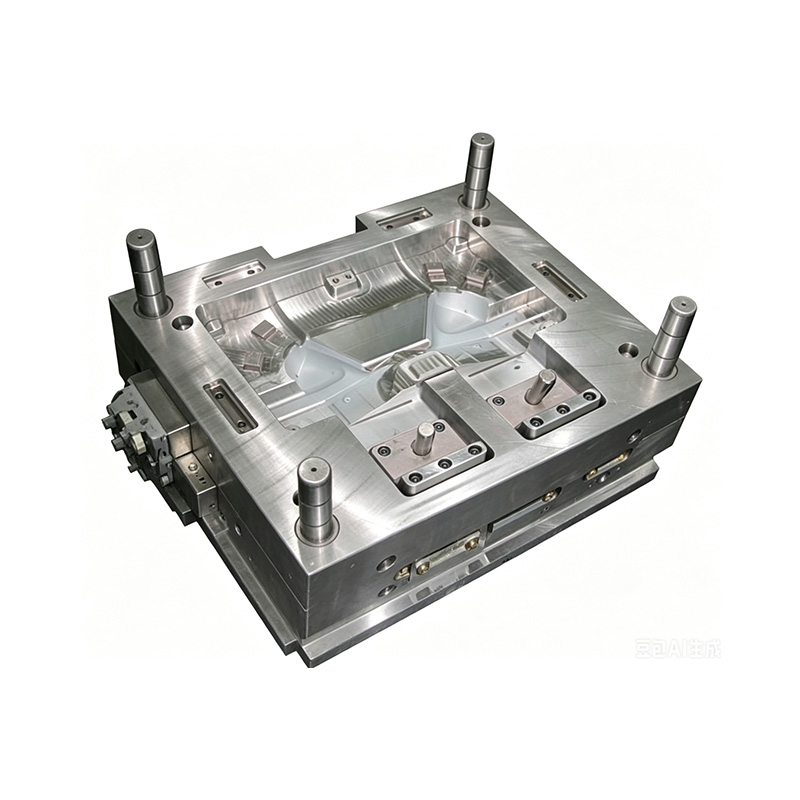
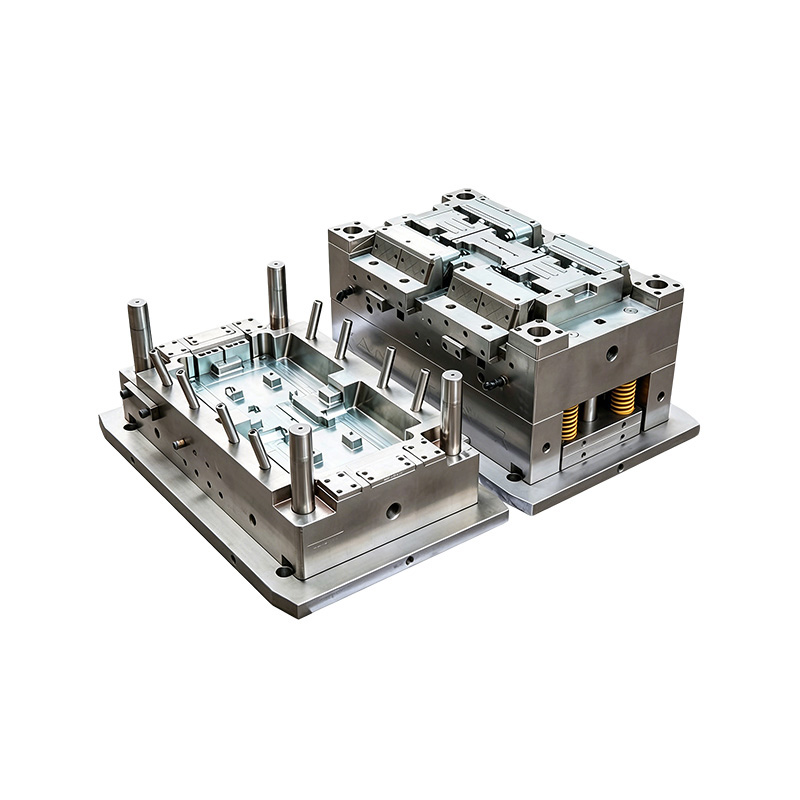
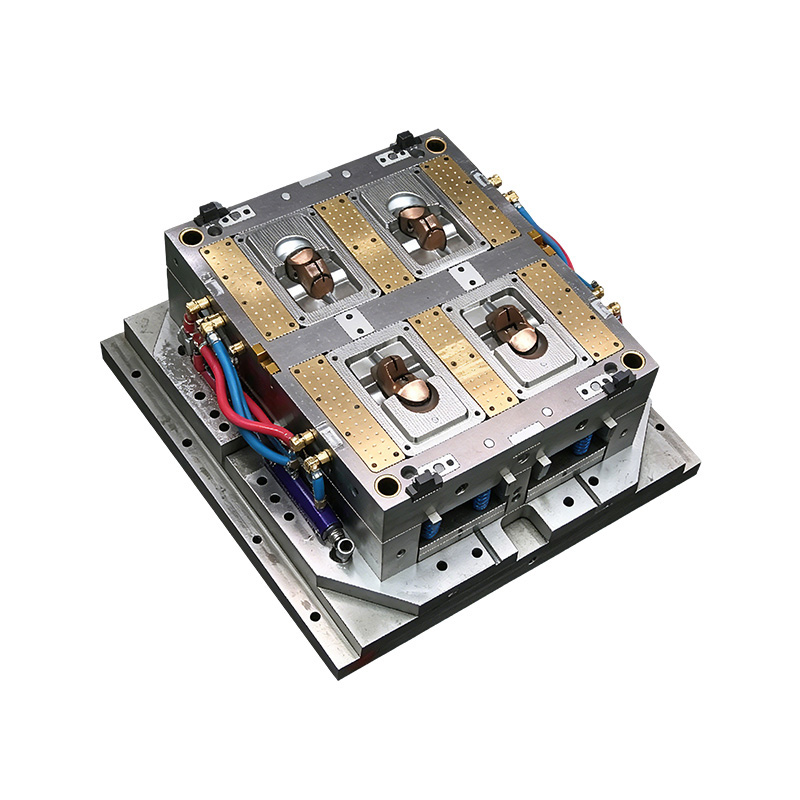
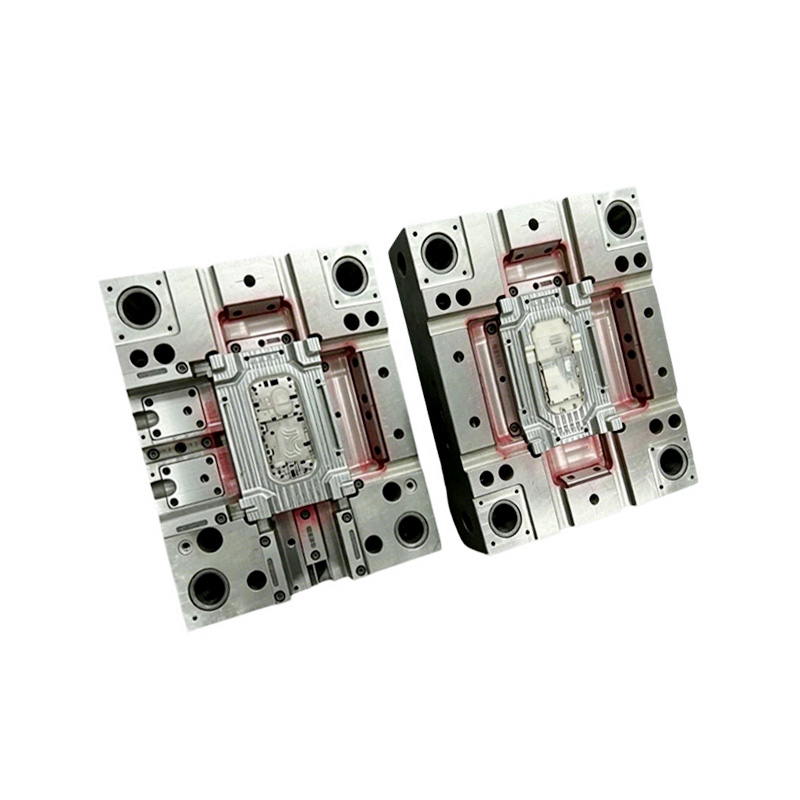
When people use industrial products, plastic products and hardware accessories, they often wonder: how are various standardized products mass-produced efficiently? The core answer is molds. However, most newcomers and production practitioners only regard molds as "shaping tools" and fail to understand their core value and irreplaceability. So what exactly is a mold? Why is it completely indispensable to modern industrial production?
Professionally defined, a mold is a process equipment that shapes raw materials into products with fixed specifications through pressure, injection molding, stamping, pouring and other methods, known as the "mother of industry". Almost all standardized industrial products, from mobile phone shells, plastic buttons and screw gaskets to auto parts, home appliance shells and precision medical device accessories, rely on molds for production. Compared with manual polishing and single-piece mechanical processing, molds have three core advantages: uniform consistency, high efficiency and low cost.
Molds are essential to industrial production primarily because they solve the precision problem of mass production. Single-piece production by manual processing or ordinary machine tools inevitably causes dimensional deviations and appearance differences, which cannot meet the requirements of industrial standardization. A qualified mold can control the dimensional accuracy within 0.01 millimeters or even higher, ensuring completely unified specifications for thousands of mass-produced products and perfectly adapting to automated assembly and pipeline production.
Secondly, molds greatly reduce the production cost of industrial products. In the product R&D stage, the cost of customized single pieces is low, but once entering mass production, the labor, equipment and time costs of single-piece processing will rise exponentially without molds. As a one-time investment and long-term reusable production tool, molds feature fast molding speed and low loss, which greatly cuts the unit production cost of products in mass production. This is the core reason for the popularity of affordable standardized industrial products on the market.
In addition, molds determine the aesthetic limit and process complexity of products. Thin, special-shaped, hollow and integrated industrial products on the market cannot be manufactured by traditional processing methods, and can only be formed in one piece through the structural design of precision molds. With the continuous iteration of mold categories such as injection molds, stamping molds, die-casting molds and blow molds, the appearance, performance and refinement of industrial products have been continuously upgraded.
In conclusion, molds are not simple "production tools", but the core carrier of industrial mass production, standardized manufacturing and precision processing. In both traditional manufacturing and high-end precision manufacturing industries, the accuracy, quality and process level of molds directly determine product quality and enterprise production competitiveness, which is the fundamental reason why molds are essential for industrial production.


 English
 Español

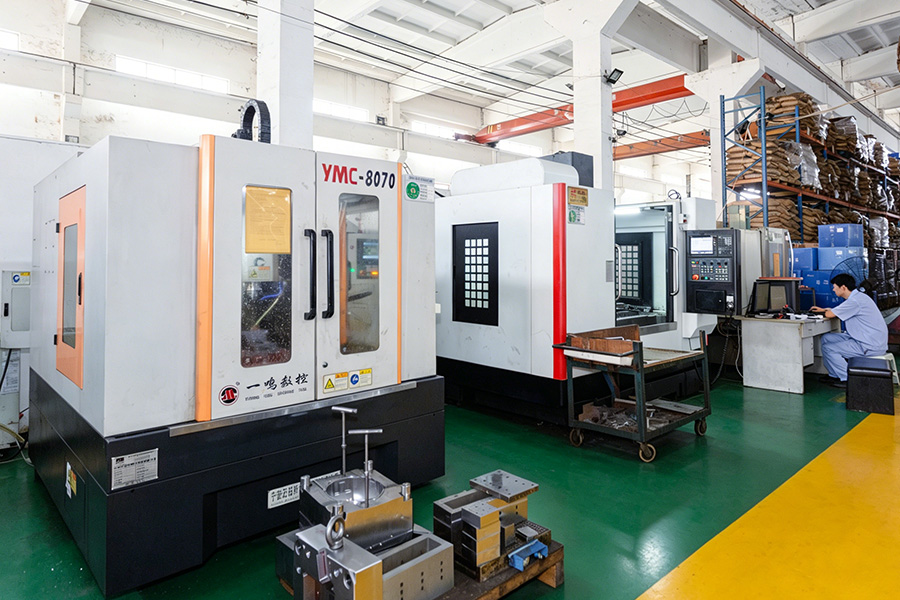
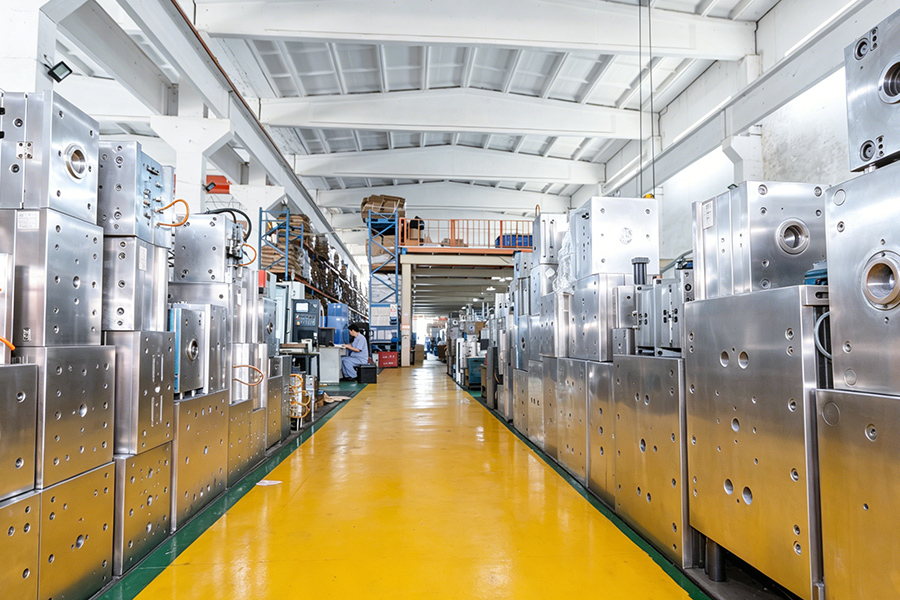
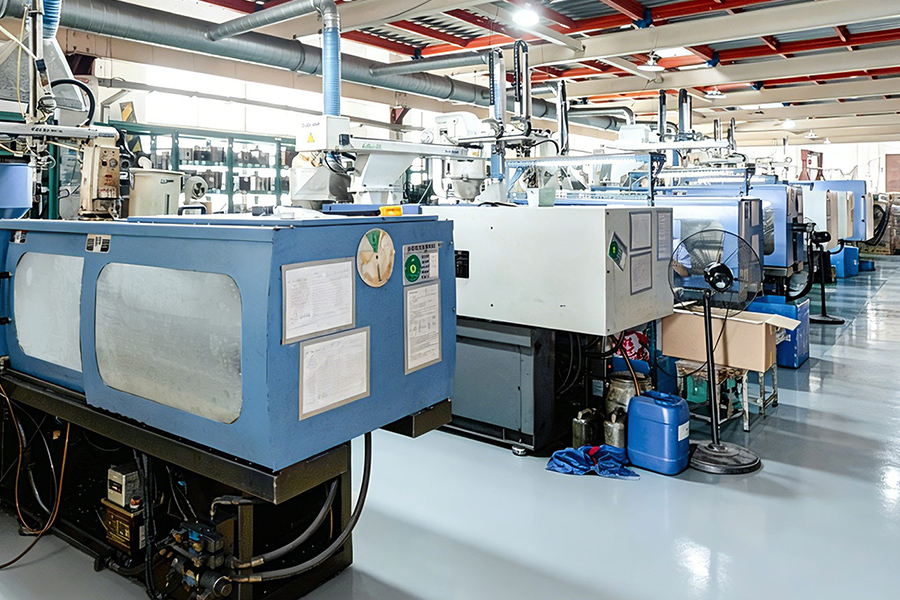


 Custom Precision Plastic Injection Mold Manufacturers