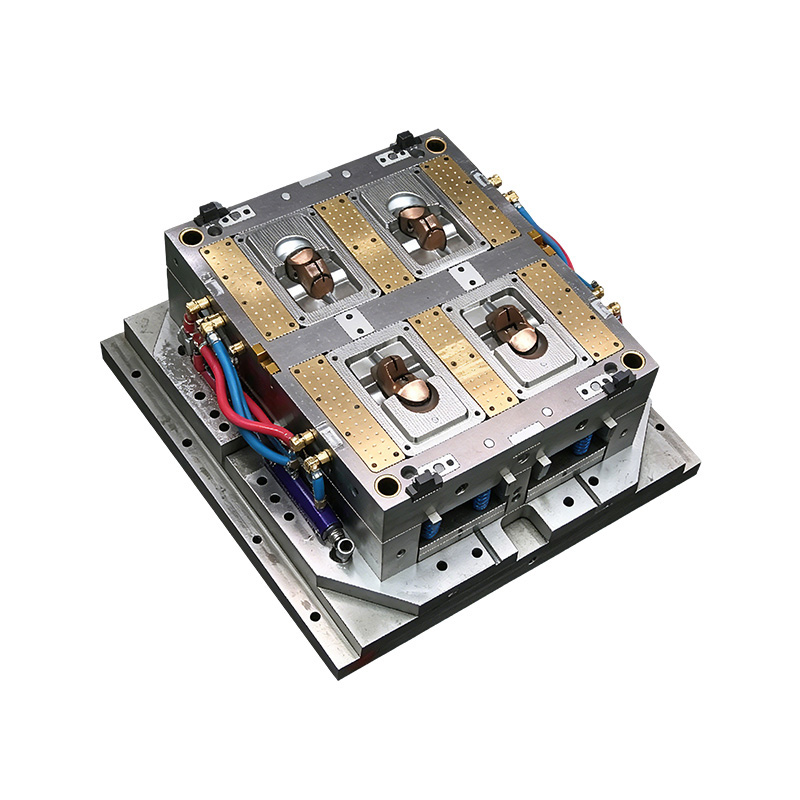
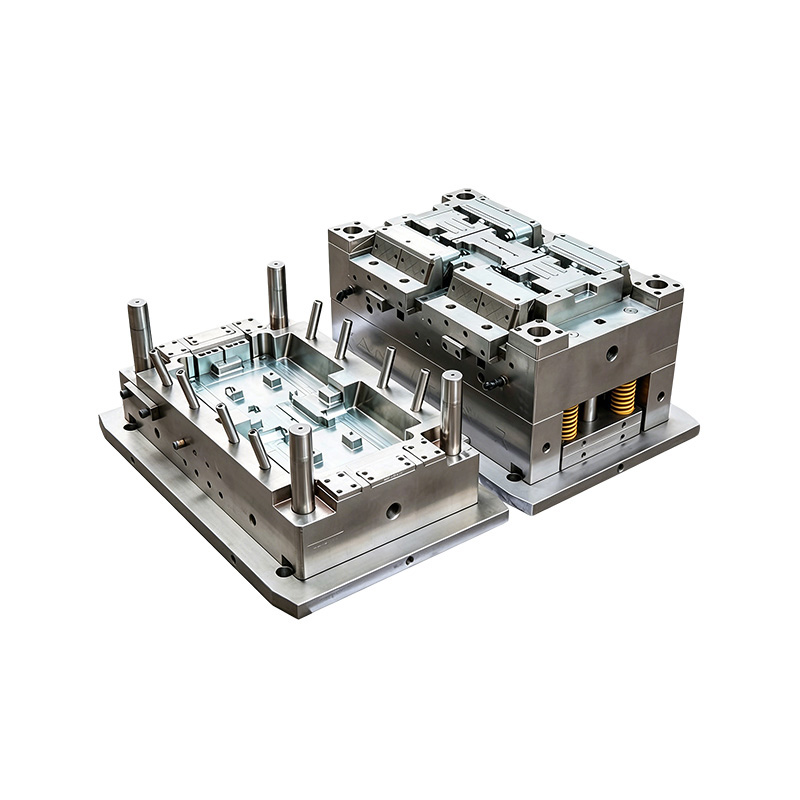
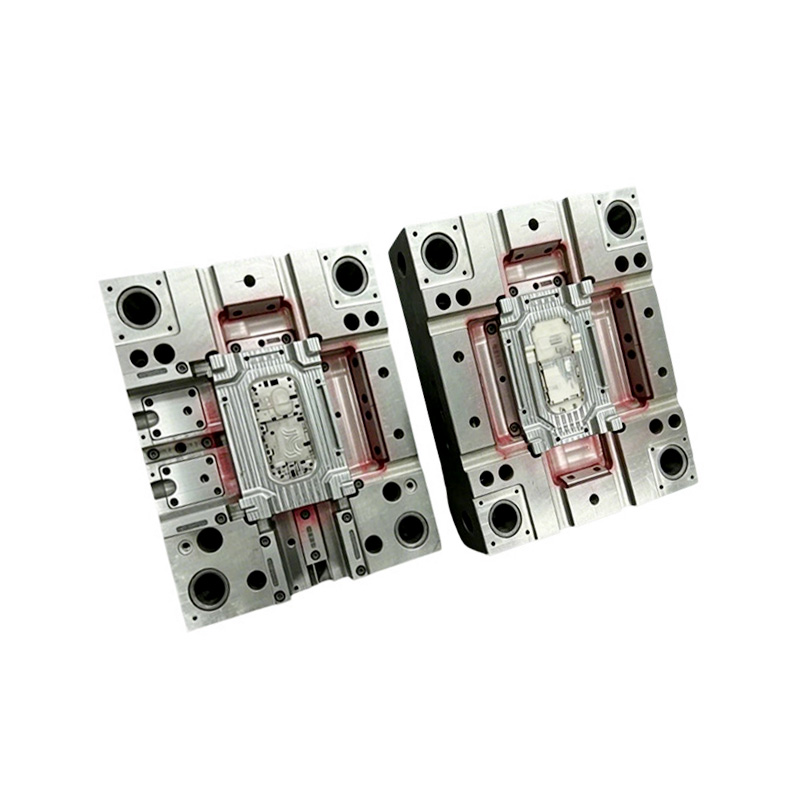
Many small and medium-sized manufacturing enterprises have a common misunderstanding: molds do not need maintenance as long as they work normally. They only carry out repair and replacement when molds suffer jamming, wear, mass product scrapping or shutdown damage. In fact, the service life, molding accuracy and production stability of molds completely depend on daily maintenance. So why is regular mold maintenance mandatory? What is the standardized mold maintenance process?
The core significance of regular mold maintenance is to prolong mold service life, stabilize molding accuracy and reduce production costs. Molds are high-precision equipment with extremely high accuracy for core components such as cavities, parting surfaces, ejector pins, guide pillars and guide sleeves. Long-term high-speed opening and closing and high-pressure molding cause slight wear, carbon deposition, residual impurities and oxidation rust. Without regular maintenance, minor losses will accumulate continuously, eventually leading to loose mold clamping, molding deviation, mass defective products, and even irreversible damage such as mold jamming, component fracture and cavity scratching. Compared with the high cost of post-failure repair and mold replacement, daily maintenance is low-cost and the most cost-effective production operation and maintenance method.
Meanwhile, regular maintenance effectively guarantees production efficiency. Unmaintained molds are prone to mold jamming, material overflow and exhaust blockage, resulting in frequent shutdowns for debugging and fault cleaning, disrupting production rhythms and reducing production capacity. Well-maintained molds operate smoothly in opening and closing with stable molding, which greatly reduces shutdown frequency and improves continuous mass production efficiency. In addition, molds with proper maintenance maintain stable molding accuracy, effectively lowering product defect rates and material waste, and indirectly improving overall production profitability.
Standardized mold maintenance is divided into three stages: pre-shift daily maintenance, post-shift daily maintenance and regular in-depth maintenance. Pre-shift maintenance includes checking the overall mold condition, ensuring clean appearance, parting surfaces and cavities, lubricating moving parts such as guide pillars, guide sleeves and ejector pins with special lubricating oil, fastening screws and positioning pins, ensuring unobstructed cooling water circuits and exhaust grooves, and conducting trial opening and closing to eliminate jamming and deviation problems.
Post-shift basic maintenance is the most critical daily maintenance link. After production, thoroughly clean residual raw materials, carbon deposition and dust in mold cavities, runners and exhaust grooves with special cleaning tools to avoid scratching precision surfaces with hard objects. Then supplement lubricating oil for moving parts and conduct anti-rust treatment. In particular, apply uniform anti-rust oil on idle molds and close them for storage to prevent cavity oxidation and rust caused by exposure. Record the daily mold operation status and minor faults for targeted subsequent maintenance.
Regular in-depth maintenance is carried out weekly and monthly. Dismantle secondary mold components regularly to clean hidden internal impurities and oil stains, inspect cavities for wear, scratches and strain, and polish and repair minor damages in a timely manner. Detect the wear level of vulnerable parts such as guide pillars, guide sleeves, springs and ejector pins, and replace aging and deformed accessories in time. Calibrate mold clamping accuracy and positioning accuracy to correct tiny deviations and ensure long-term stable mold operation.
In conclusion, mold maintenance is not a redundant process, but a core Task to ensure stable production, control production costs and prolong mold service life. Adhering to standardized and regular maintenance can keep precision molds operating with high accuracy at all times and guarantee the quality of mass-produced products.


 English
 Español



 Custom Precision Plastic Injection Mold Manufacturers