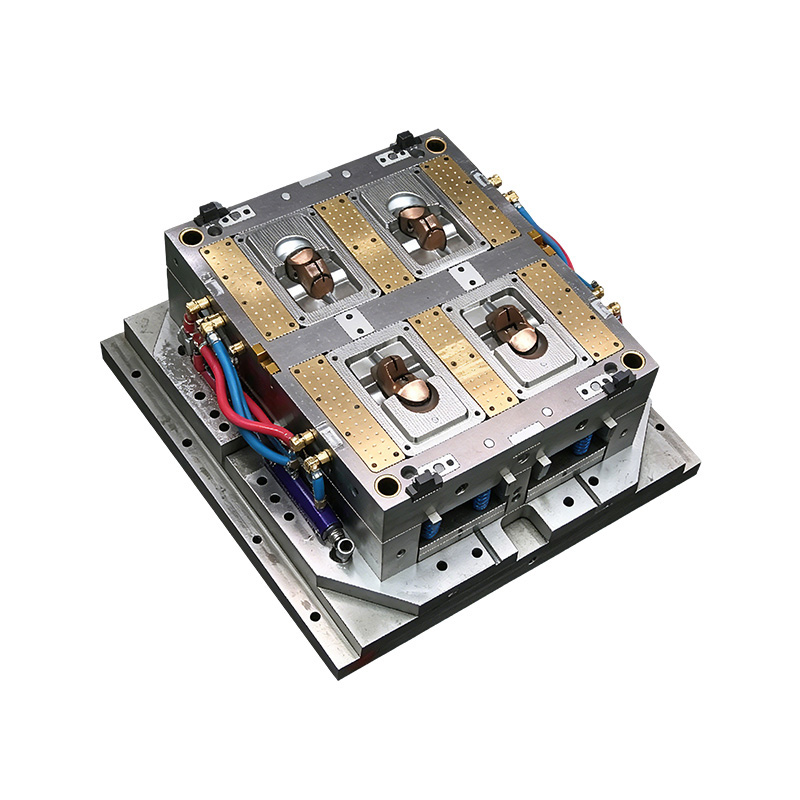
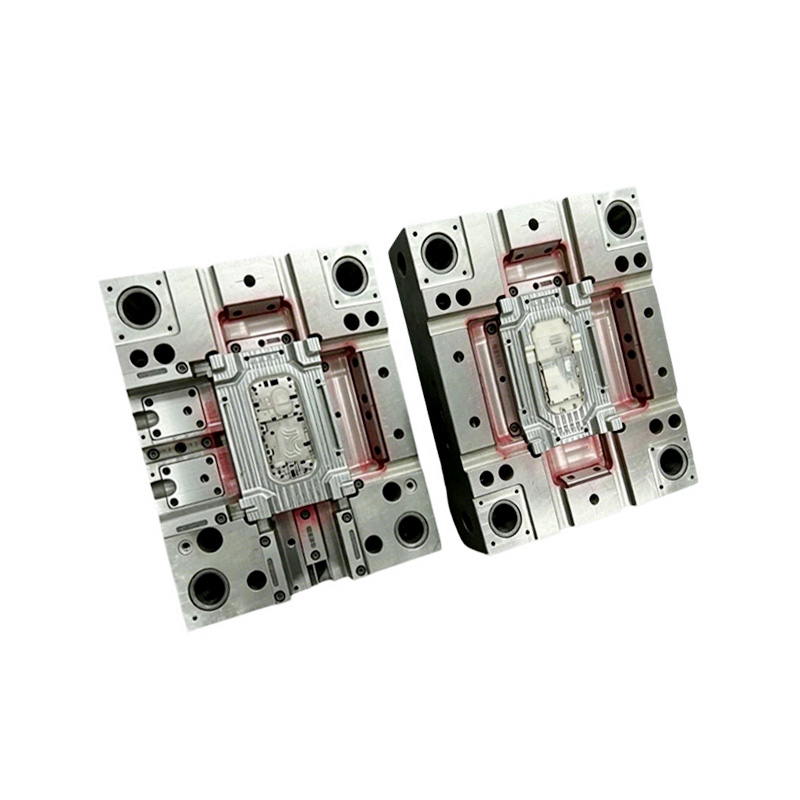
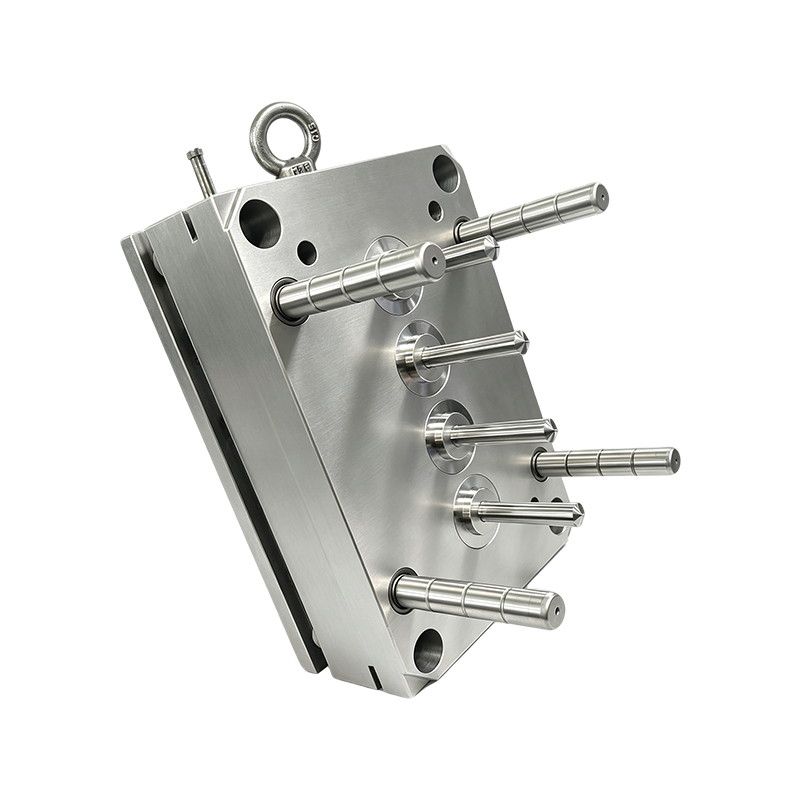
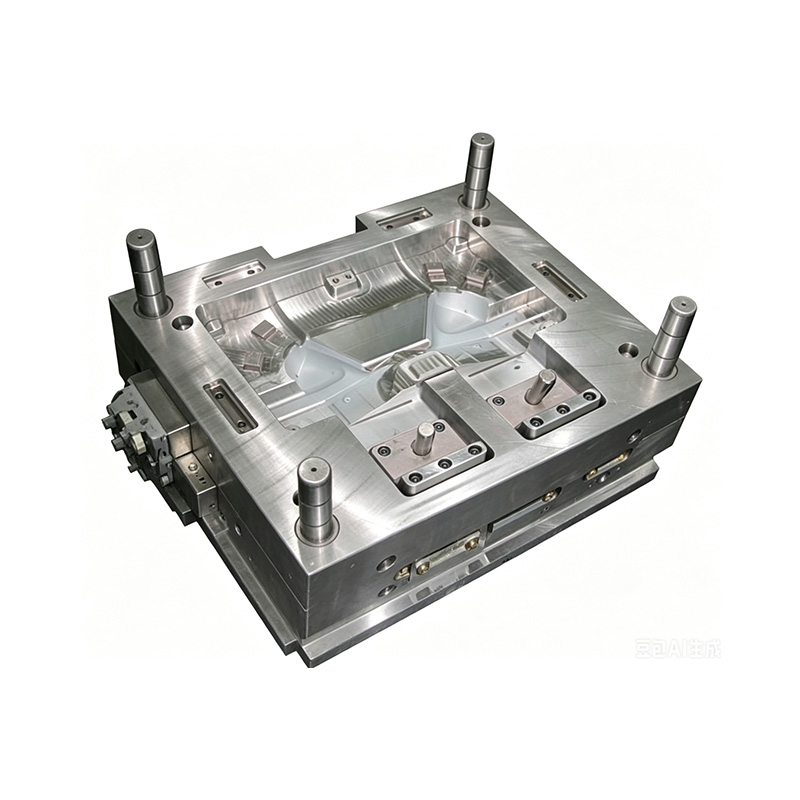
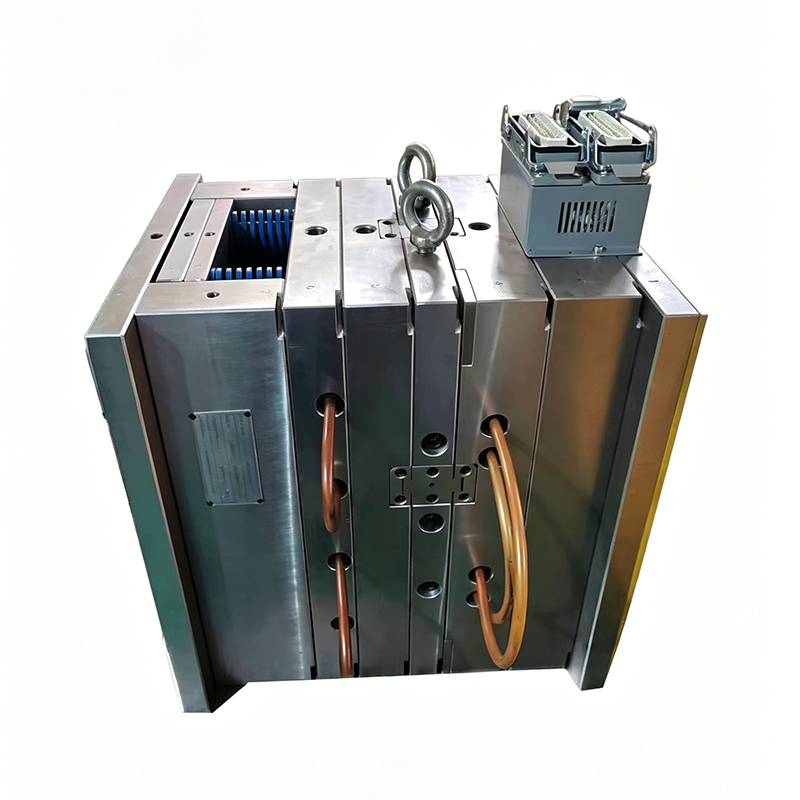
In the mass production process of molds, almost all practitioners encounter product defects, such as shrinkage, burrs and bubbles on plastic parts, as well as deformation, cracking and dimensional deviation on plastic parts. Many people blindly adjust equipment parameters when facing problems, ignoring core issues of molds including structure, temperature, exhaust and wear. So what are the common high-frequency mold molding defects? How to accurately troubleshoot and solve them efficiently?
First of all, flash and overflow are the most common defects, frequently occurring in the mass production of various injection and die-casting molds. They manifest as excess burrs on product edges, which not only damage the appearance but also cause assembly failure. This defect is not caused by a single parameter. In most cases, it results from excessive mold clamping gap, insufficient clamping force, wear and deformation of mold parting surfaces, or excessively high raw material temperature and fast injection speed. During troubleshooting, first check whether the mold parting surface fits tightly and has worn gaps, then adjust the clamping pressure and material temperature, and finally clean residual impurities in the exhaust groove to effectively eliminate burrs.
Secondly, shrinkage and depression defects are common in plastic mold products, showing as surface pits, uneven thickness and local collapse. The core causes include unreasonable gate design, unbalanced cooling system and insufficient holding time. Uneven cavity wall thickness and undersized gates lead to insufficient melt filling and shrinkage depressions during cooling. The solutions are to optimize the position and size of mold gates, adjust the mold cooling water circuit to ensure uniform product cooling, and appropriately extend the holding time to fill the gaps caused by melt shrinkage.
Bubbles and voids are also frequent defects that reduce the structural strength of finished products with pores appearing on or inside products. The main causes are blocked mold exhaust grooves leading to unvented cavity air, incompletely dried raw materials, and high mold temperature causing raw material decomposition and gas generation. In daily production, it is necessary to regularly clean impurities in mold exhaust grooves and runners, fully dry raw materials in advance, and reasonably control mold molding temperature to avoid high-temperature decomposition of raw materials.
In addition, product deformation, warping and cracking are prevalent problems, mostly caused by unbalanced mold ejection structure, uneven cooling speed and insufficient draft angle, which result in uneven stress and demolding scratches during product molding. The troubleshooting and solving methods include optimizing the layout of mold ejector pins to ensure uniform stress, adjusting zonal cooling temperature, standardizing mold draft angle, and polishing rough cavity surfaces to reduce demolding friction.
In short, mold molding defects are rarely caused solely by equipment or raw materials, and their core roots lie in mold structure, maintenance status and process matching. Defect troubleshooting should follow the principle of "mold first, then parameters, and finally raw materials" to accurately locate root causes, fundamentally solve mass production defects and improve product yield rates.


 English
 Español



 Custom Precision Plastic Injection Mold Manufacturers