Precision plastic injection molding holds tolerances as tight as ±0.005mm to ±0.02mm, which is why it remains the manufacturing method of choice for electronic components, medical connectors, and micro-mechanical parts where even a hair's-width deviation causes assembly failure. Standard injection molding typically holds ±0.1mm to ±0.3mm, so the gap between "precision" and "standard" tooling isn't marketing language — it's a measurable difference that determines whether a part fits into a smartphone connector or a surgical device on the first try.
This guide breaks down what actually separates precision mold tooling from general-purpose molds, what it costs, and how electronic component manufacturers specifically use these tighter tolerances to solve problems that standard molding can't.
What Separates Precision Molds From Standard Injection Molds
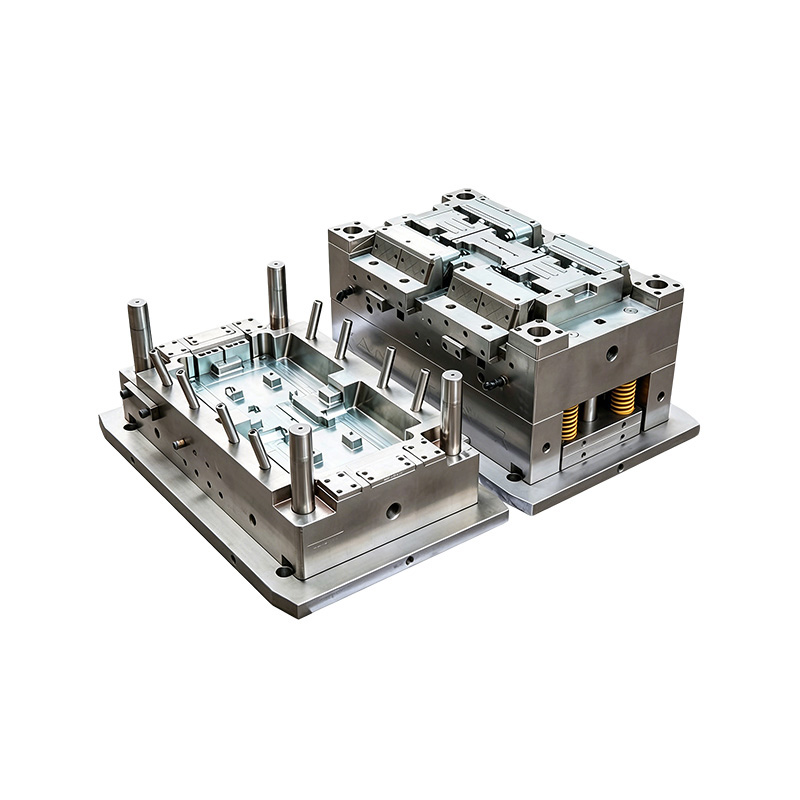
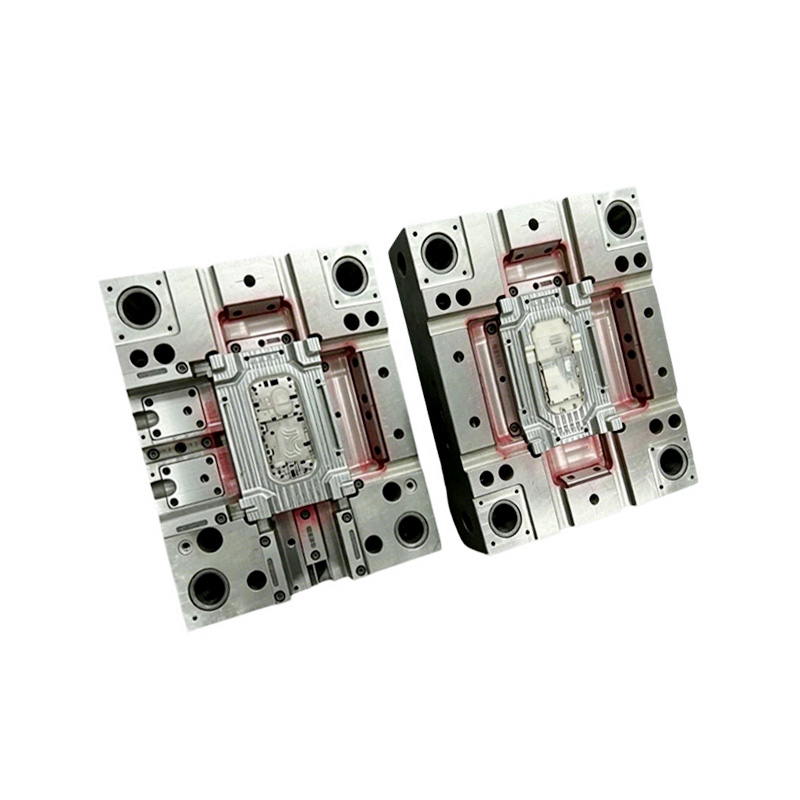
A precision plastic injection mold isn't just a smaller or more expensive version of a regular mold — it's built with different steel, different cooling architecture, and different machining processes from the ground up. Precision mold cavities are typically machined using EDM (electrical discharge machining) and wire-cut processes accurate to 0.001mm, compared to standard CNC milling used for general molds, which is accurate to roughly 0.01mm.
Key Differences in Tooling Construction
Four structural factors distinguish precision tooling from general-purpose molds:
- Steel grade — precision molds use hardened tool steels like S136, NAK80, or H13, polished to SPI A-1 finish for optical or highly cosmetic parts
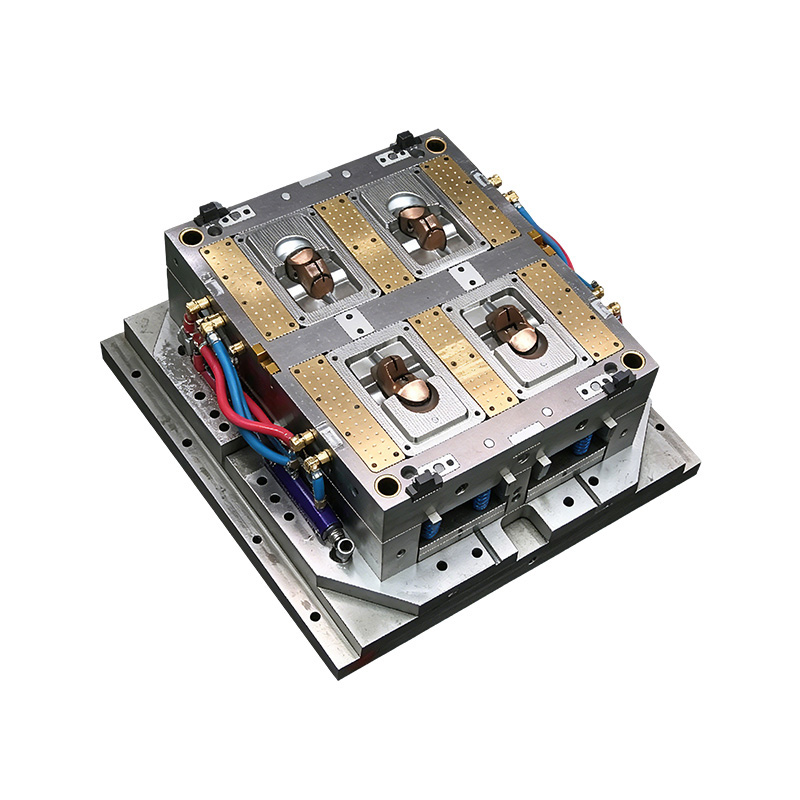
- Cooling channel design — conformal cooling channels follow the part geometry rather than running in straight lines, reducing cycle time and warping
- Gate type and placement — sub-gates, pin-point gates, or hot runner systems are positioned to avoid flow lines on visible or functional surfaces
- Venting precision — vents machined to 0.005mm-0.02mm depth allow trapped air to escape without letting molten plastic flash through
Why Electronic Components Demand Tighter Tolerances
Electronic precision injection molds serve a category of parts where tolerance stacking becomes critical fast. A connector housing, a battery contact frame, or a micro-switch enclosure often mates with two or three other components, and each mating interface adds its own tolerance range. If four stacked components each carry a ±0.05mm tolerance, the cumulative variation can reach ±0.2mm — enough to cause intermittent electrical contact or a connector that won't seat fully.
Common Electronic Parts That Require Precision Molding
Certain part categories consistently require precision-grade tooling rather than standard molds:
- USB, HDMI, and board-to-board connector housings, where pin spacing must align within microns
- Camera module lens barrels and holders, which affect optical focal alignment directly
- Micro-gears and switch components inside wearables and hearing aids
- Sensor housings that must maintain a sealed fit for waterproof (IP67/IP68) ratings
- PCB standoffs and clips used in high-density device assemblies
Materials used for these parts also differ from general molding. LCP (liquid crystal polymer) and PPS (polyphenylene sulfide) are used in roughly 60-70% of high-frequency connector housings because of their dimensional stability under heat and low moisture absorption, both critical for parts that get reflow-soldered onto circuit boards.
The Injection Molding Process Step by Step
Understanding the full cycle helps explain where precision gets built in or lost. The process follows a consistent sequence regardless of part complexity, though precision tooling adds tighter control at nearly every stage.
- Resin pellets are dried and fed into the barrel, since moisture content above 0.02% can cause visible defects in hygroscopic materials like nylon or PC
- The screw heats and melts the resin to a material-specific temperature, typically 200-320°C depending on the polymer
- Molten plastic is injected into the mold cavity under high pressure, often 5,000-20,000 psi for precision parts with thin walls
- The mold holds pressure during the packing phase to compensate for material shrinkage as it cools
- Cooling channels pull heat from the part until it's rigid enough to eject, usually 5-30 seconds for small precision components
- Ejector pins release the finished part, and the cycle repeats
Cycle time matters commercially as much as technically. A well-designed precision mold with conformal cooling can cut cycle time by 20-30% compared to a mold with straight-drilled cooling lines, which directly lowers per-part cost on high-volume electronic component runs.
Mold Costs and How Tolerance Level Changes the Budget
Tooling cost is usually the biggest single line item in a new part's development budget, and precision requirements push that number up significantly. The table below reflects typical cost ranges based on tolerance class and mold complexity.
Typical mold tooling cost ranges by tolerance class and part complexity
| Tolerance Class |
Typical Tolerance |
Mold Cost Range (Single Cavity) |
Common Application |
| Commercial |
±0.1mm - ±0.3mm |
$3,000 - $8,000 |
Housings, non-critical enclosures |
| Fine |
±0.05mm - ±0.1mm |
$8,000 - $18,000 |
Automotive interior clips, appliance parts |
| Precision |
±0.02mm - ±0.05mm |
$15,000 - $40,000 |
Connectors, sensor housings, medical parts |
| Ultra-Precision |
±0.005mm - ±0.02mm |
$30,000 - $80,000+ |
Optical lens barrels, micro-electronics |
Multi-cavity molds change this math substantially. A 4-cavity precision mold typically costs 60-80% more than a single-cavity version but can cut per-part production cost by more than half on runs exceeding 100,000 units, which makes cavity count one of the most important early decisions in mold design.
Quality Control Methods for Precision Molded Parts
Producing a precision mold is only half the equation — verifying that every shot meets spec is what actually protects a manufacturer from costly downstream failures. Electronic component buyers typically require documented inspection data before accepting a production lot.
Standard Inspection Techniques
- CMM (coordinate measuring machine) inspection — checks critical dimensions against CAD data at accuracy levels down to 0.001mm
- Optical comparators for verifying 2D profile geometry on small connector pins and slots
- First-article inspection (FAI) reports documenting every dimension on initial production samples
- SPC (statistical process control) tracking across production runs to catch tool wear before it produces out-of-spec parts
Tool wear is a real cost factor that's easy to overlook. Hardened steel precision molds typically maintain tolerance for 500,000 to 1,000,000 shots before cavity dimensions drift enough to require rework, so buyers producing high volumes should factor mold lifespan into total cost of ownership rather than looking at tooling price alone.
Choosing a Mold Manufacturer for Electronic Components
Not every mold shop is equipped for precision electronic component work, and choosing the wrong partner is one of the most common causes of project delays. A few criteria separate shops capable of true precision work from general-purpose tooling suppliers.
- Temperature-controlled machining floors, since ambient temperature swings of even a few degrees can throw off micron-level machining accuracy
- In-house EDM and wire-cut capability rather than outsourced fine machining, which adds lead time and coordination risk
- DFM (design for manufacturability) review before cutting steel, catching wall-thickness or draft-angle issues that cause warping later
- Clean room or controlled molding environments for parts going into medical or optical applications
Lead time is also worth setting realistic expectations for early. Precision molds typically require 4-8 weeks for design and machining, compared to 2-3 weeks for simpler commercial-tolerance molds, so building this into a product launch timeline avoids last-minute schedule pressure that often leads to rushed, lower-quality tooling decisions.
 View More
  View More
  View More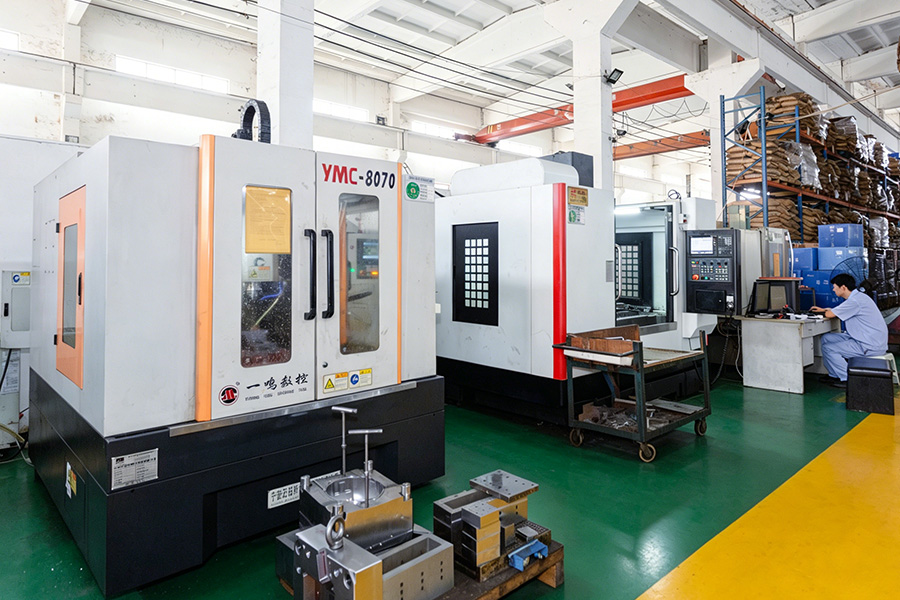

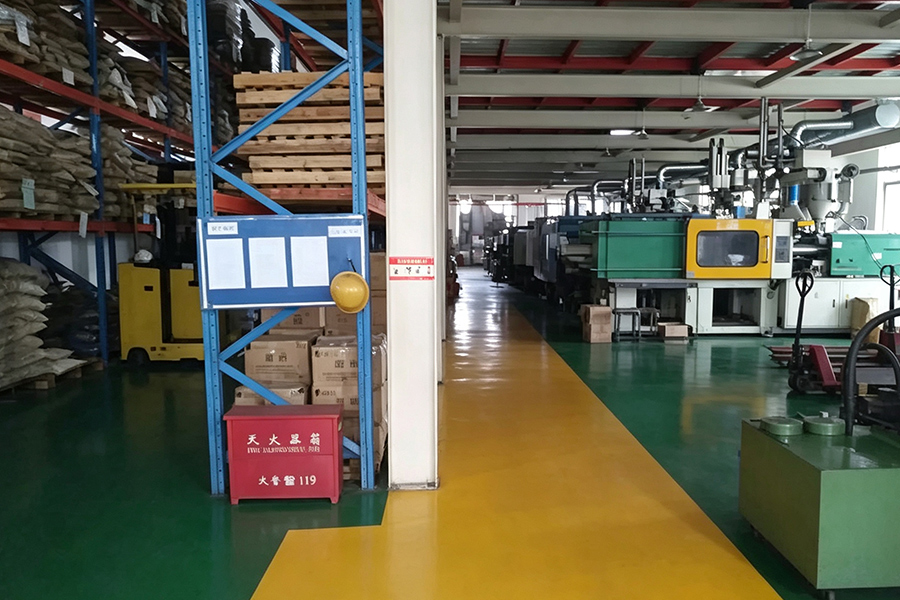


 Custom Precision Plastic Injection Mold Manufacturers


 English
 Español
