

 English
 Español


Industry News
Home / News / Industry News / How Much Do Plastic Injection Molds Cost? A Practical Budget Guide for Buyers
Content
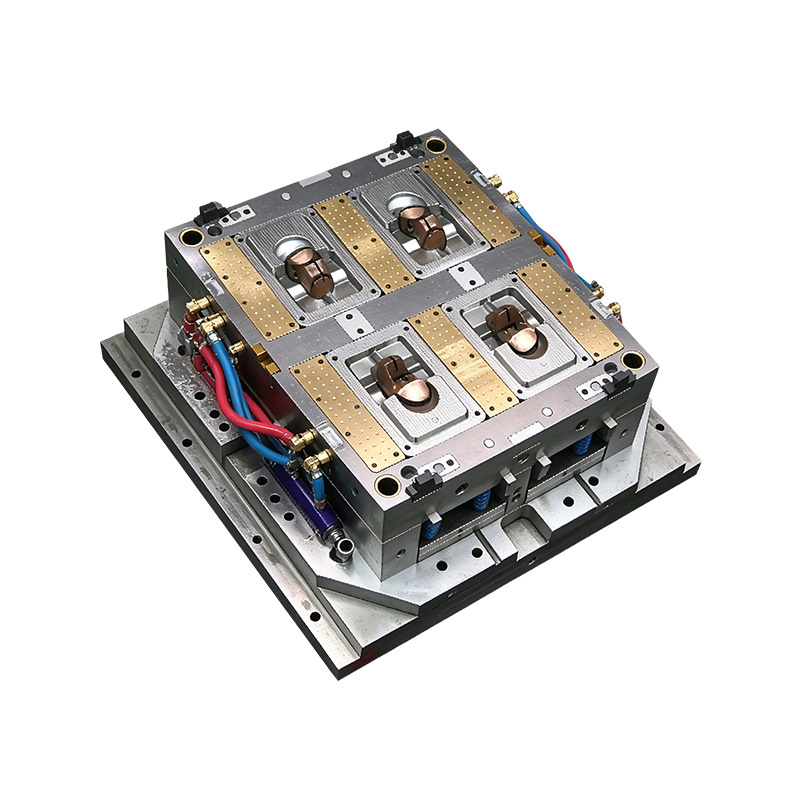
A $6,800 quote and a $22,000 quote can describe the same ABS housing. The difference is rarely the hourly rate of the mold maker. It is the tool design: cavity count, steel grade, side actions, hot runner, tolerance, surface texture, trial plan, and who carries the risk if the first samples fail. For budgeting, treat a plastic injection mold as a capital asset with a price range, not a single market rate. A simple single-cavity production tool often lands between $1,000 and $6,000. A mid-complexity multi-cavity mold commonly runs from $6,000 to $30,000. Large automotive tools, precision electronic molds, and medical molds can reach $40,000 to $150,000 or more.
The useful question is not only “How much does the mold cost?” It is “What volume, tolerance, resin, and mold life must this tool support?” A $4,000 mold that makes acceptable parts for 20,000 units is expensive if the program needs 500,000 units. A $28,000 mold that runs a stable 28-second cycle and holds tolerance for five years may be the cheaper decision.
Use the ranges below as planning benchmarks, not as quotations. Part geometry can move a quote by 30% to 50% without changing the nominal mold category. The ranges assume normal mold bases, standard components, a single trial round, and buyer-supplied CAD. Freight, taxes, resin for trials, design changes after T1, hot runner controllers, and extra spare inserts may sit outside the tool price.
| Mold type | Typical tooling range (USD) | Typical use | Main cost driver |
|---|---|---|---|
| Prototype or bridge tool, aluminum or soft steel, 1 cavity | $1,000–$6,000 | 100–5,000 parts, design validation | Simple geometry, manual operation, shorter mold life |
| Production mold, single cavity, commodity resin | $3,000–$12,000 | Low volume, large parts, stable design | Part size, steel grade, finish, ejection |
| Multi-cavity production mold, 4–16 cavities | $12,000–$45,000 | Annual volumes from 100,000 to 2 million parts | Cavity count, runner balance, tolerance, cycle time |
| Precision engineering mold for connectors, gears, or relays | $18,000–$60,000 | Tight tolerance, small features, high inspection load | Hardened steel, EDM, metrology, gate control |
| Large automotive interior or lighting mold | $40,000–$150,000+ | Class A surfaces, high volume, large shots | Mold size, hot runner, side actions, texture |
| Medical or clean-room mold | $25,000–$80,000 | Validation, traceability, consistent lot release | Steel, polishing, process validation, documentation |
| Two-shot or multi-material mold | $35,000–$120,000 | Overmolded grips, cups, toothbrushes, handle housings | Rotating tool, second injection unit, shutoffs |
Buyers often compare mold prices as if the cavity layout and steel were identical. They rarely are. A quote is a technical proposal in disguise. When the gap is large, the lower number usually excludes something the higher number includes: a hot runner, a harder steel, a spare insert, a full trial, or dimensional report.
A one-cavity mold for a small bracket may cost $8,000. An eight-cavity version may cost $28,000. At 500,000 parts, the higher tool cost can be recovered through shorter cycle time and lower machine hours per part. At 30,000 parts, the same eight-cavity tool may never pay back. The right cavity count depends on three-year demand, not the first purchase order. A mold with too many cavities also raises validation cost, runner balance risk, and the cost of a design change.
P20, H13, S136, and other grades behave differently under abrasive or corrosive resins. A soft mold can save $3,000 upfront and cost more in polishing, maintenance, and downtime. For glass-filled nylon, PVC, or high-cosmetic parts, the steel decision affects both tool life and part quality. Ask for the steel certificate and hardness report. If the quote does not name the steel, the buyer cannot compare it with another quote.
Every undercut needs a slider, lifter, or other side action. Each action adds machining, assembly, wear parts, and maintenance. A hot runner with valve gates can add $5,000 to $20,000, but it may reduce scrap and cycle time in high-volume production. Tight tolerance on a small feature can force EDM, additional polishing, or a separate insert. Surface texture, engraving, and witness-line requirements also move the price.
A $1,500 design-for-manufacture review is cheap if it removes a $10,000 tool change. Wall thickness, gate location, ejection marks, warp risk, and shutoff areas should be resolved before steel is cut. A supplier that quotes from a 3D model without asking about resin shrinkage or cosmetic requirements is guessing. In our own quoting at Shanghai Pingzhou Plastic Products, the first questions are annual volume, resin, tolerance, and cosmetic surface because those four items decide most of the tool architecture.
The mold price is only one line in the program budget. Use a simple total-cost model before awarding the tool:
This is why a mold quote should be read with the piece price, scrap rate, cycle time, and maintenance plan beside it. A tool is not cheap if it needs frequent polishing, runs a slow cycle, or produces parts that fail the gauge. The buyer should also confirm who owns the mold, who pays for spare inserts, and how design changes after T1 are priced.
Different product families carry different cost structures even when the mold size looks similar. A large appliance housing and a small electronic connector may both use hardened steel, but they fail for different reasons: warpage and surface on the housing, tolerance and flash on the connector.
Automotive interior and lighting parts usually need larger mold bases, class A surfaces, and robust ejection. A buyer comparing automotive accessories tooling should budget for texture, hot runner balance, and trial parts that match the production resin. Interior trim, dashboard, and light components often justify higher tooling spend because the cost of a visible defect or a late launch is much higher than the tooling difference.
 Automotive Interior Injection Molds for Panels and ConsolesThese molds produce instrument panels, door panels, consoles, and armrests in PP, PC/ABS, and ABS, with integrated features and surface treatment options.View Product →
Electronic connectors, relay housings, and micro gears are different. The part may be small, but the mold can be expensive because of tight tolerance, small core pins, high-speed injection, and inspection requirements. The precision injection mold guide for electronic parts explains why EDM, steel hardness, and gate control often matter more than raw cavity count.
 Electronic Connector Injection Molds for High-Temperature ComponentsFor connector parts needing LCP or PA9T, these molds support thin-wall molding, reflow-soldering resistance, and customized flame-retardant ratings.View Product →
Medical consumables such as syringe barrels, test tubes, and infusion connectors add validation and traceability. A medical mold may cost $25,000 to $80,000 because the tool must produce consistent parts lot after lot, with documented steel, polishing, and process windows. The purchasing risk is not only tool price; it is the cost of a validation failure or a resin change that invalidates the process.
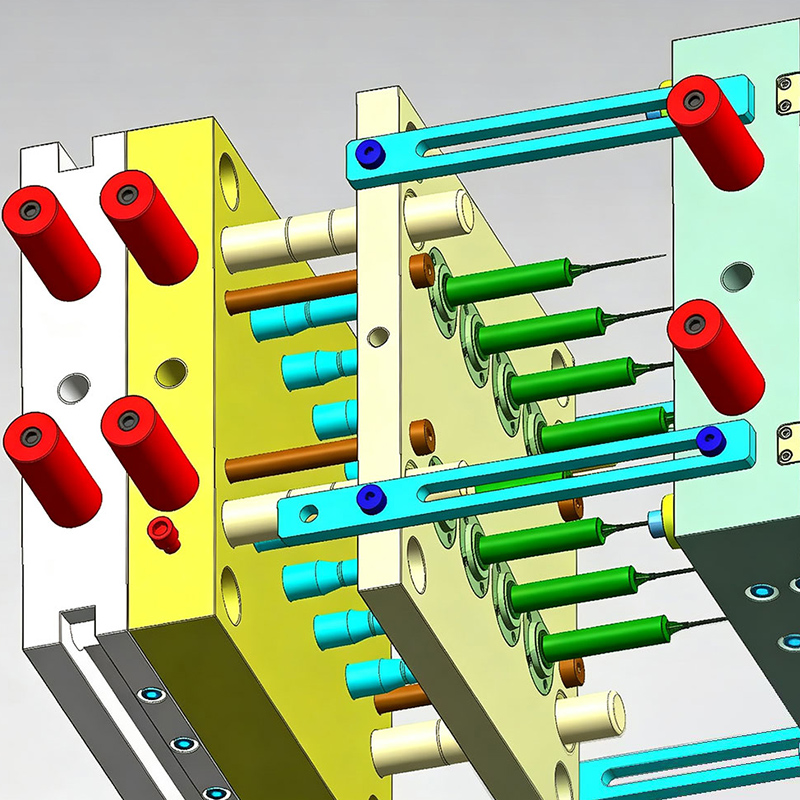 Medical Syringe Injection Molds for Disposable and Pre-Filled SyringesUsing PP, PC, and COP/COC, these high-cavity molds produce transparent, thin-walled syringe components for sterile, pre-filled, and insulin delivery applications.View Product →
Appliance housings and two-shot parts sit between these extremes. A robot vacuum housing or air conditioner casing may need a large mold but forgiving tolerance. A two-shot toothbrush or handle housing needs a rotating tool and precise shutoffs, so the tooling price rises even when the part is a consumer product.
The lowest quote is often the least complete quote. Before comparing numbers, ask each supplier to itemize the scope. The following items are common gaps:
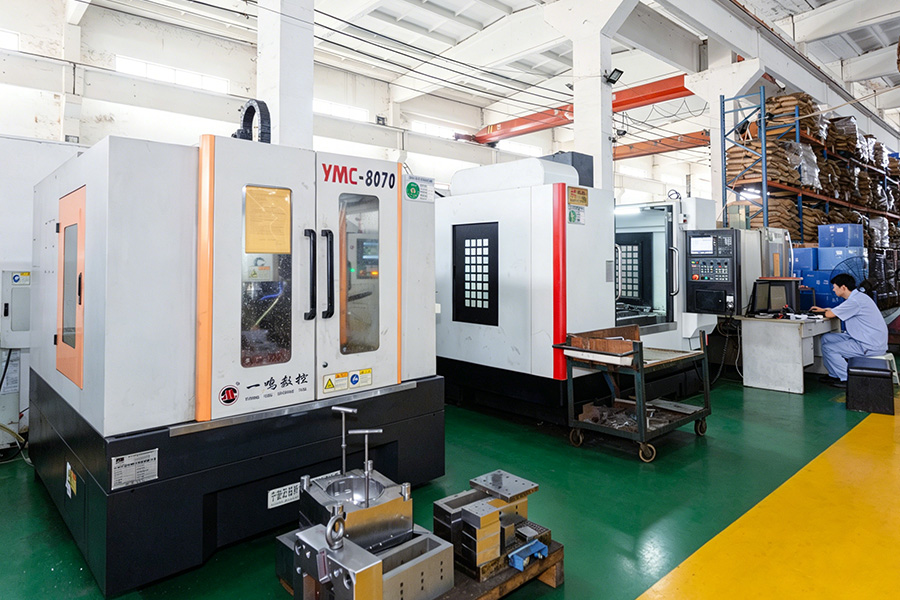
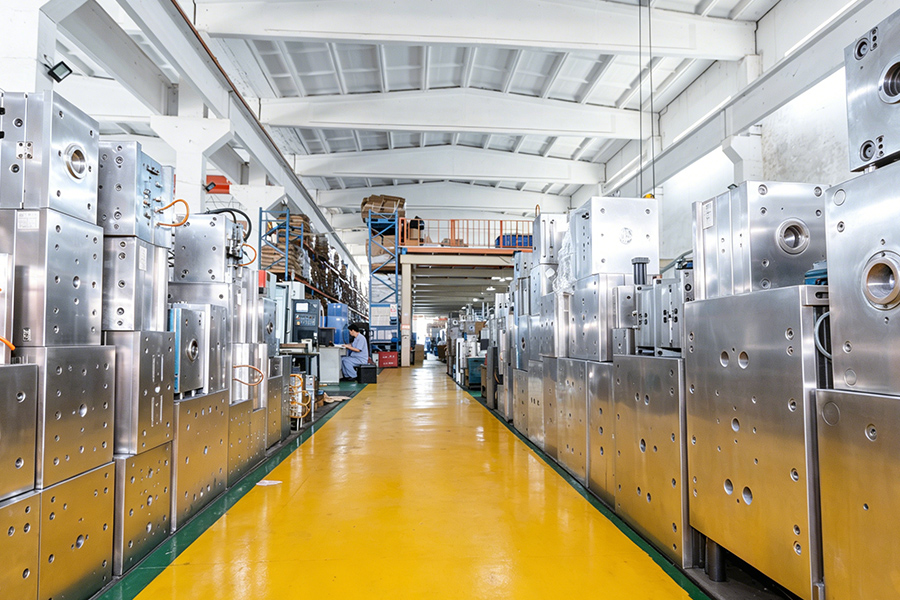
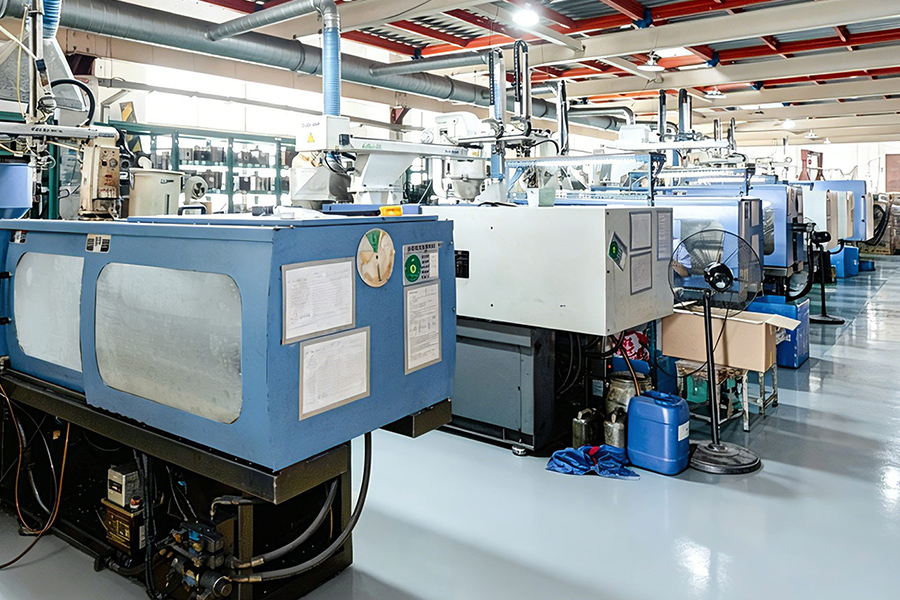
A tool that arrives without a spare-parts list or a maintenance plan is a production risk. A mold that cannot be serviced locally may sit idle for weeks. For high-volume programs, the buyer should also confirm the supplier’s injection machine tonnage, automation, and quality inspection capacity, not just the mold-making equipment.
Cost reduction works best before the tool design is frozen. After steel is cut, most savings turn into change orders.
A complete RFQ produces comparable quotes. Include 3D CAD and a 2D drawing with critical dimensions and tolerance. State the resin grade, color, shrinkage allowance, and any regulatory requirement. Give annual volume and peak monthly volume, not only a sample order quantity. Specify cavity count target, mold life, steel preference, surface texture, gate location, hot runner preference, and trial requirements.
Also state delivery terms, packaging, mold ownership, spare-parts expectations, and the maintenance interval you expect. If the part is medical or automotive, include validation documentation and sample measurement requirements. A supplier that asks these questions before quoting is usually easier to work with than one that gives a number in an hour.
For a first production tool, reserve $5,000 to $15,000 for a simple single-cavity mold and $20,000 to $50,000 for a multi-cavity precision tool. Add 10% to 20% contingency for design changes, trials, and spare parts. Large automotive or medical tools can exceed those ranges, and two-shot tools usually do. Compare quotes on total program cost, not tooling price alone. A plastic injection mold is cheap only when it makes good parts at the volume you actually sell, with a maintenance path that keeps it running.
 View More View More
 View More View More
 View More
 View More

+86-18939901200

+86-021-57800460

shpzsj@163.com

No. 88, Yechang Road, Yexie Town, Songjiang District, Shanghai, China
 Custom Precision Plastic Injection Mold Manufacturers