

 English
 Español


Industry News
Home / News / Industry News / How to Choose a Custom Plastic Injection Molding Service: 5 Criteria That Matter
Content
Choosing a custom plastic injection molding service is not a price-shopping exercise. The right partner should be selected on five hard criteria: mold design and tooling capability, injection press fit, material and process experience in your industry, quality and traceability, and communication through the project life cycle. Get those right, and piece price becomes a predictable outcome. Get them wrong, and the lowest quote often becomes the most expensive project.
Consider a typical scenario. A product team receives three quotes for the same glass-filled nylon bracket. The lowest quote is 18% below the others. Six weeks later, the mold needs rework because the gate location causes warp, the press cannot hold the tolerance, and the supplier asks for a change order. The team loses a quarter of launch margin and misses a customer milestone. The difference was not the hourly rate. It was whether the service could actually deliver a repeatable part.
Start with the part drawing, annual volume, material, and critical tolerances. These facts determine the mold structure, the press size, and the quality plan. A supplier that quotes without asking about wall thickness, undercuts, cosmetic surfaces, or resin family is not evaluating your project; it is guessing.
Prototype tooling can be aluminum or low-cavitation steel, and it is reasonable for validation builds. Mass production tooling usually needs hardened steel, better cooling, and a mold base sized for the press. If a supplier offers one mold for every stage without discussing cavitation, steel grade, and cycle time, the price may look low, but the tool may not survive the production volume.
Use a short table to compare answers. The goal is not to collect brochures; it is to find out whether the supplier can explain cause and effect.
| Evaluation point | What to ask | Warning sign |
|---|---|---|
| Mold design | Who performs DFM, and how are gate, runner, cooling, and ejection decisions documented? | No DFM report or only a generic checklist |
| Press fit | What clamp force and shot size range will run my part, and what is the safety margin? | Quotes without press tonnage or shot-size calculations |
| Material experience | Have you run this resin family, filler level, and color masterbatch before? | No trial data or drying parameters for hygroscopic resins |
| Quality plan | Which dimensions are checked, at what frequency, and with what gauge? | Final inspection only, with no in-process records |
| Project communication | Who is the single technical contact, and how are changes approved? | Sales answers engineering questions |
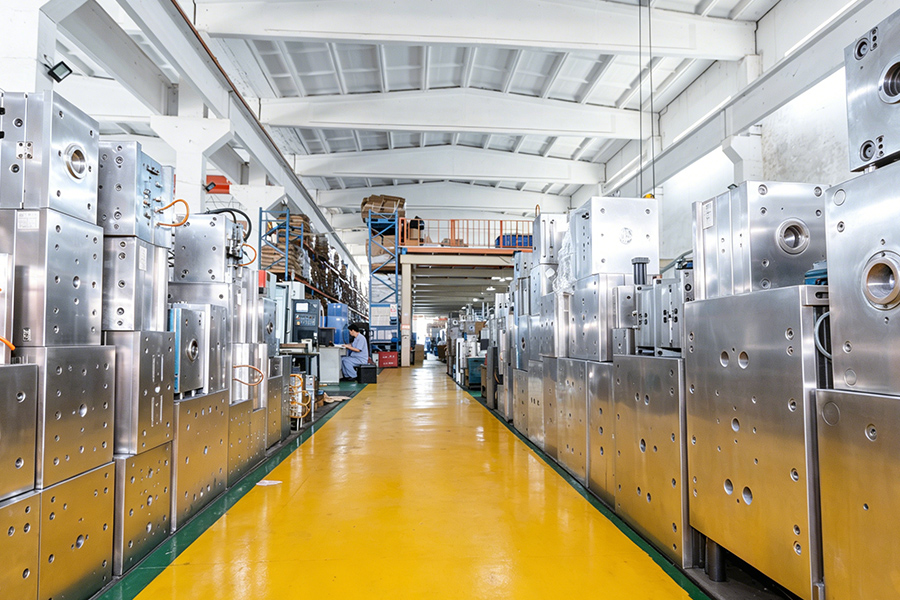
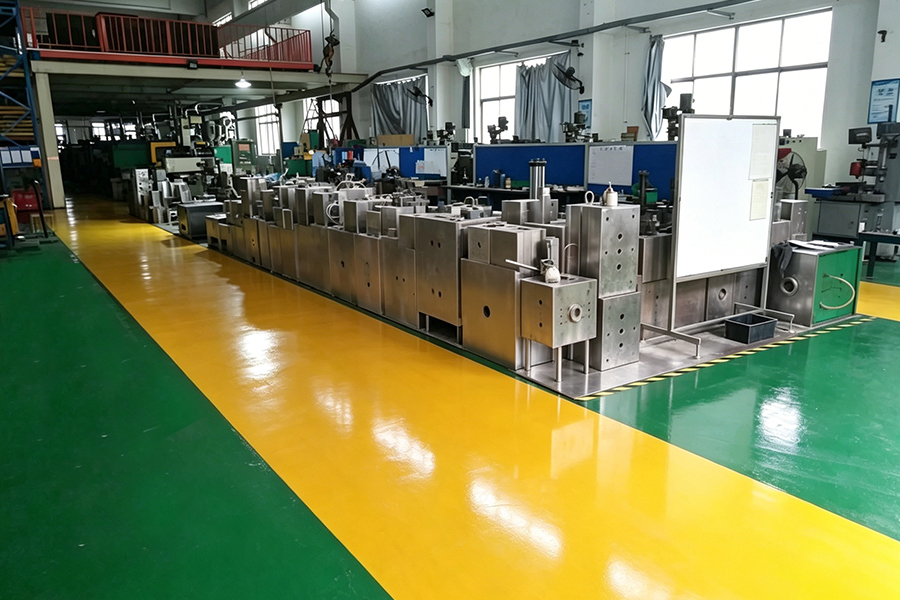
The mold is the project. If the tool is weak, no amount of press tuning will produce a stable part. Look for a supplier that controls mold design, electrode manufacturing, CNC machining, wire EDM, and fitting in-house or through a tightly managed network. A dedicated tool room shortens the feedback loop when steel needs correction.
For low-volume runs, P20 or 718 may be adequate. For abrasive filled resins or high volumes, hardened steel such as H13 or S136 is more appropriate. Cavitation should follow the annual volume and the press capacity: a 16-cavity mold on a small press can be less efficient than an 8-cavity mold with better cooling. Cooling layout affects cycle time and warp more than many buyers expect. Ask for a cooling analysis or at least a documented cooling strategy.
A supplier with both mold making and injection molding can validate the tool on the same press that will run production. That reduces the handoff risk between tool shop and molder. If the tool is transferred, ask who pays for fitment and process validation.
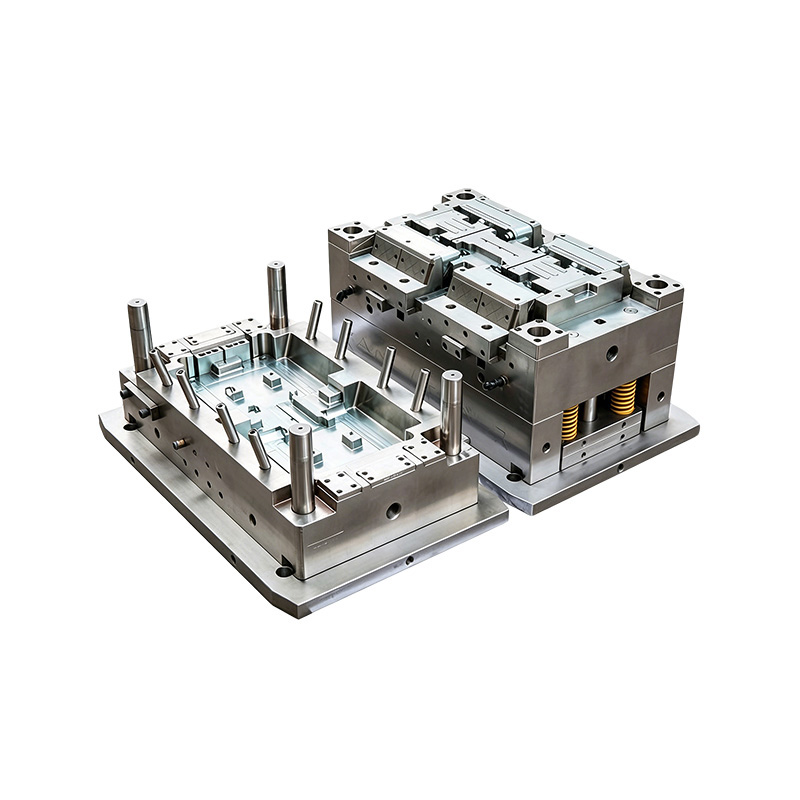
 Automotive Dashboard Injection Molds for OEM and ODM ProgramsIntegrated mold making and injection molding support dashboard frameworks, trim strips, and touch panels in modified PP, PC/ABS, or glass fiber-reinforced nylon.View Product →
That integrated model matters for large parts such as automotive dashboard molds, where flow balance, cooling, and press tonnage must be solved together.
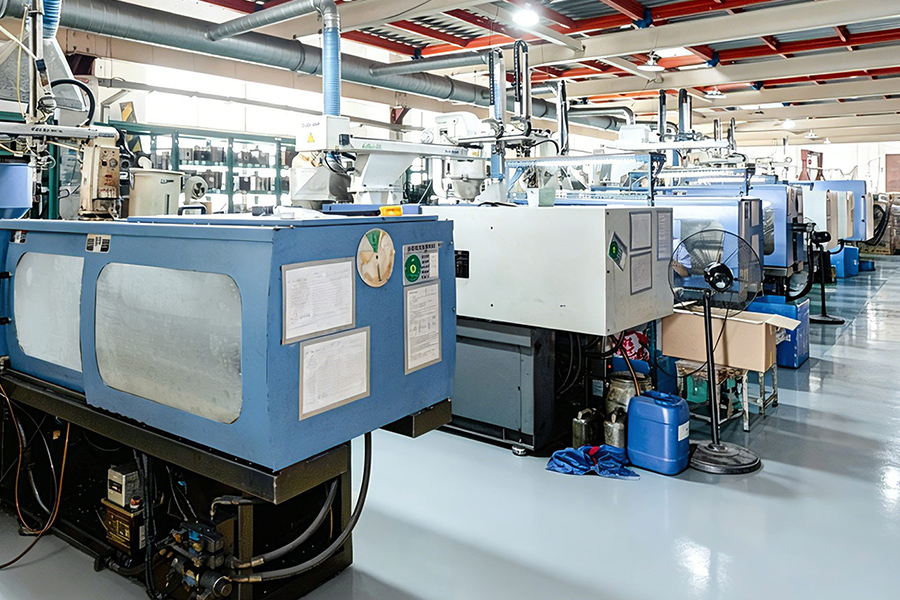
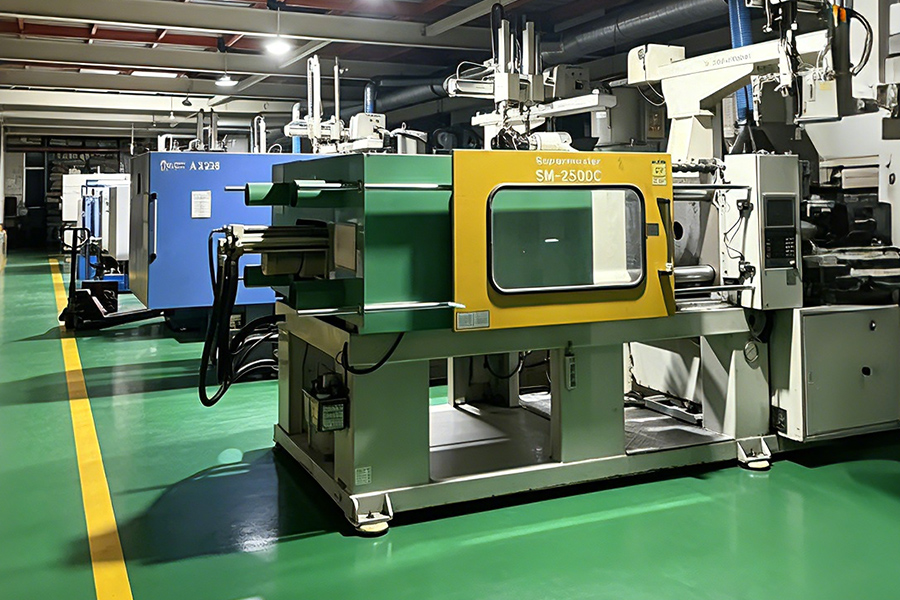
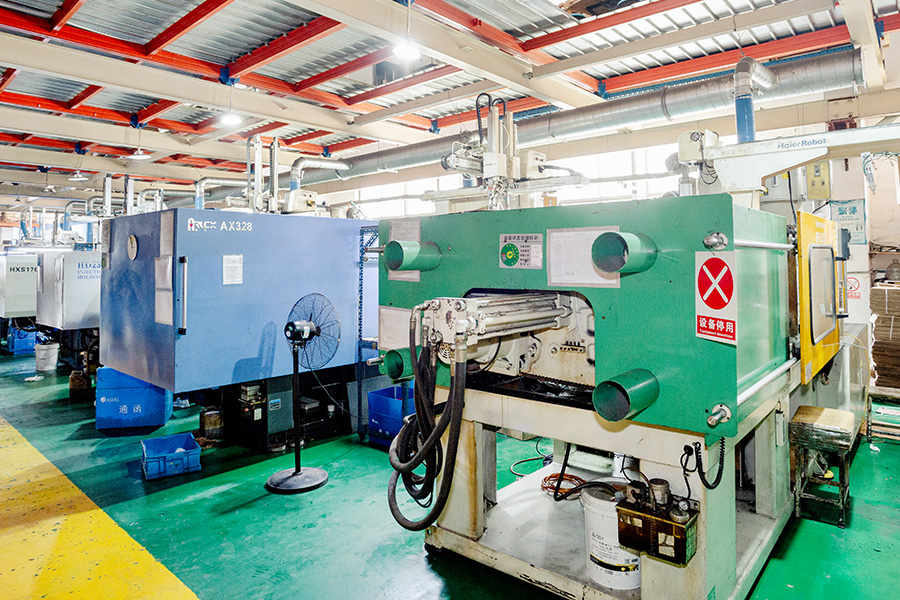
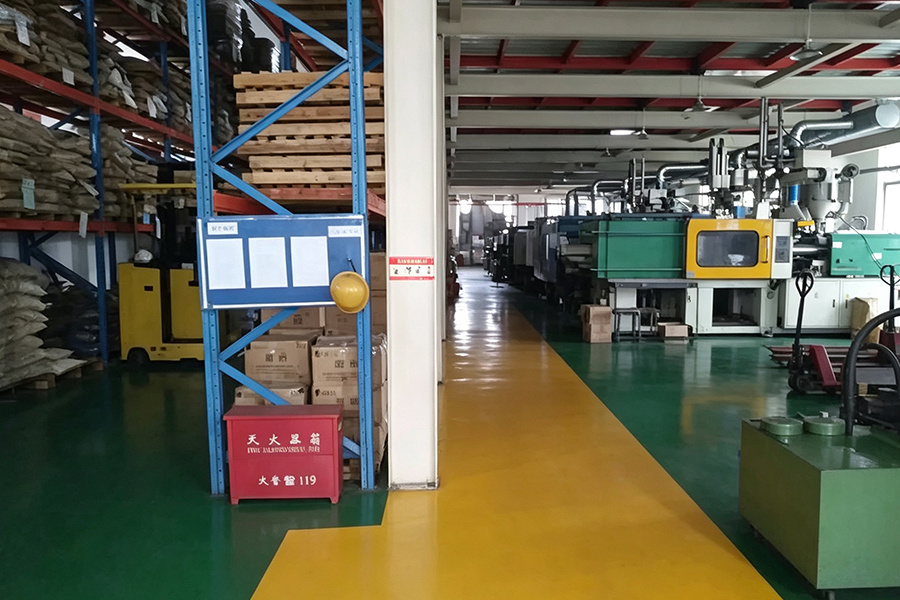
A capable molder will match clamp force, shot size, screw design, and auxiliary equipment to the part. The press must hold the mold closed against injection pressure without flashing, and the shot size should normally be between 20% and 80% of barrel capacity for stable residence time. A press that is too small will flash or short-shot. A press that is too large can degrade resin and waste cycle time.
Ask about mold temperature controllers, material drying, central feeding, and robotic take-out. These details determine repeatability. For engineering resins, a dryer that cannot reach the specified dew point will cause splay, weak weld lines, and inconsistent impact strength. For high-volume runs, robotic take-out and conveyor separation protect part quality and reduce labor variation.
During the trial, the supplier should establish a scientific molding window, not just a single good shot. A robust process has room to adjust fill speed, packing pressure, and cooling time without losing dimensions. If the only way to make a good part is to run at the edge of the machine’s capability, the process will drift in production.
Different industries have different failure modes. A supplier that mainly runs commodity housewares may not understand the traceability and validation requirements for a medical connector. A supplier that only runs small electronics may not be ready for a large automotive interior panel. The right service has relevant application experience and can show it.
In automotive, expect experience with automotive accessories, interior and exterior trim, lighting components, and high-volume tooling. In electronics, look for fine feature resolution, tight tolerance control, and resin knowledge for connectors, LED frames, micro gears, and relay housings. In appliances, the focus is often structural rigidity, appearance, and cost per part. In medical, process validation and documentation are as important as the mold itself.
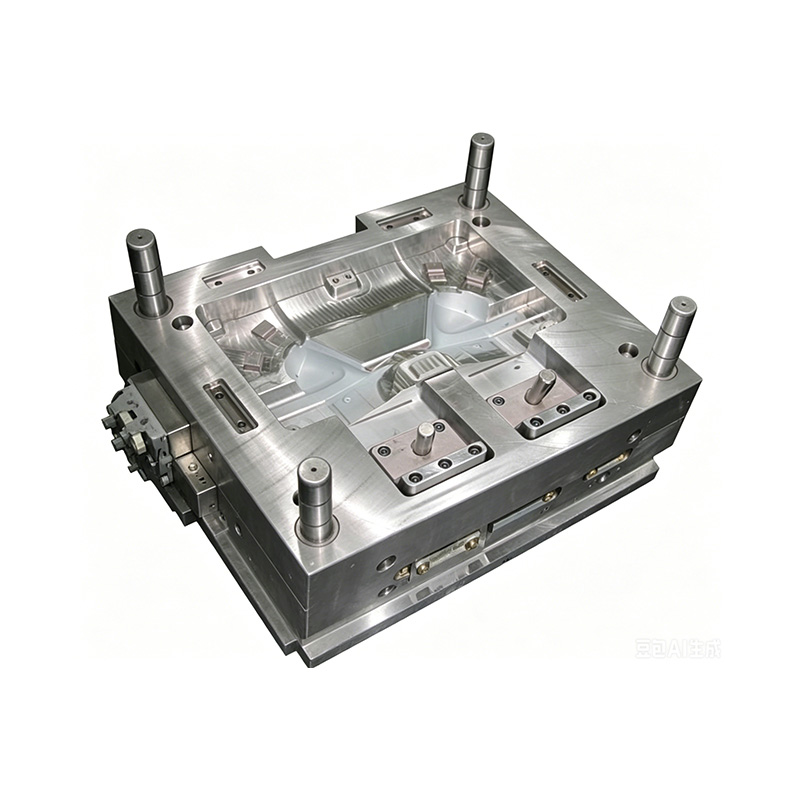
 Electronic Connectors Injection Molds for High-Temperature Precision ApplicationsMolded connector components use LCP or PA9T, withstand 260°C reflow soldering, and offer V-0 flame retardancy for 5G, automotive, medical, and industrial electronics.View Product →
For electronic connectors, for example, gate placement and mold temperature control directly affect dielectric performance and dimensional stability. A supplier that has built similar molds will anticipate these issues rather than discover them at qualification.
If your part needs two colors, a soft-touch overmold, or a hard-soft combination, ask about two-shot mold design, rotary platens, and interface bonding. Two-shot molding is not simply two single-shot molds; the first shot becomes part of the second cavity, so shrinkage and shutoff details must be designed together.
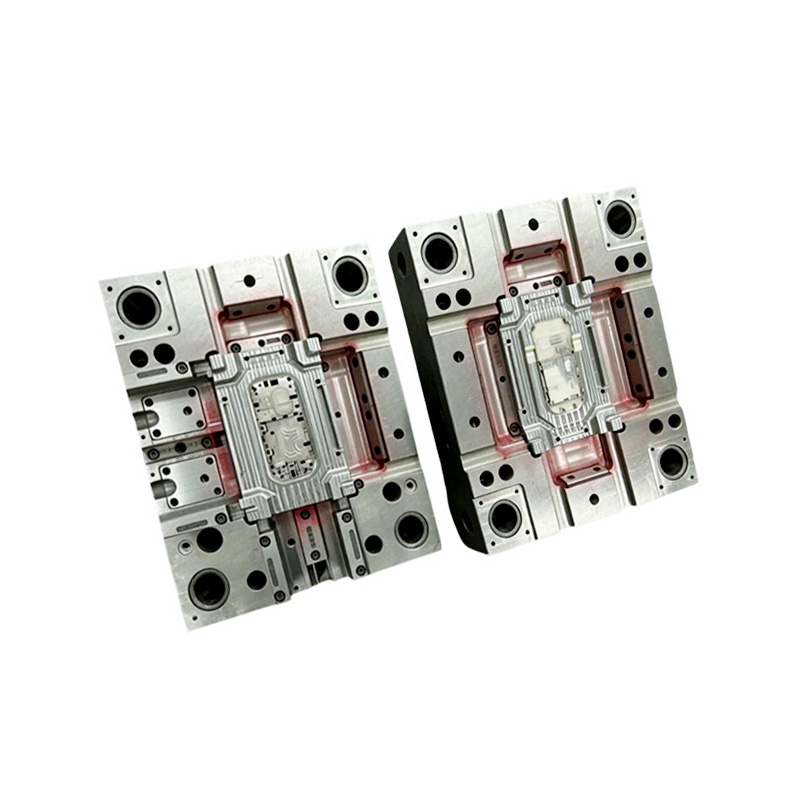
 Infusion Connectors Injection Molds for Medical Fluid Delivery SystemsMedical-grade PC, PE, or TPE molds form transparent, smooth connectors with complex flow channels, pressure-resistant seals, and compatibility with EO or radiation sterilization.View Product →
In medical projects, that same discipline applies to medical injection molding, where cleanroom production, resin traceability, and dimensional validation often determine whether a supplier is qualified.
Quality is not a certificate on the wall. It is the system that catches drift before bad parts reach the customer. For custom injection molding, ask for the control plan, inspection frequency, gauge R&R, and how nonconforming parts are segregated. For regulated industries, ask for validation protocols, IQ/OQ/PQ documentation, and lot traceability from resin to finished part.
A basic supplier should have calipers, micrometers, height gauges, and a vision system or CMM for critical dimensions. More important is how the data is used. Are dimensions charted over time? Are process parameters locked and logged? If a customer complains about a short shot, can the supplier trace the lot, the press, the operator, and the resin batch?
Molds rarely stay untouched. Steel repairs, gate adjustments, and resin substitutions all require change control. Ask how engineering changes are approved and how the first article inspection is repeated after a mold repair. A supplier that treats every change as a new project reduces the risk of silent failures.
The piece price is only one line in the total cost of ownership. Tooling cost, trial cost, freight, packaging, inventory carrying cost, change orders, and downtime all matter. A quote that is 10% lower at the piece level can easily lose 30% at the project level if the mold requires frequent maintenance or the process yields high scrap.
Clarify who owns the mold, whether it can be transferred, and what the supplier charges for maintenance. Ask for the assumed cycle time, cavitation, scrap rate, and packaging method behind the quote. If those assumptions are hidden, you cannot compare suppliers fairly. Also ask about spare mold bases, hot runner controllers, and replacement inserts.
A reasonable schedule ties payments to design approval, mold completion, first article approval, and production ramp. Avoid paying most of the tooling cost before the mold is proven on production resin. Delivery should include time for DFM, steel procurement, machining, fitting, trial, and corrections. A compressed schedule that skips trial runs is a false economy.
Before sending an RFQ, prepare a package that lets the supplier quote with real assumptions. Then score the responses against the same criteria.
The best custom plastic injection molding service will make the project easier to control. It will ask about the part before quoting, show you how the mold and press were selected, document the process, and communicate changes before they become surprises. Use the five criteria above, verify the details behind each quote, and choose the supplier whose capabilities match your part and your production reality. That is how to choose a custom plastic injection molding service that still looks like a good decision at production launch.
 View More
 View More View More View More
 View More View More

+86-18939901200

+86-021-57800460

shpzsj@163.com

No. 88, Yechang Road, Yexie Town, Songjiang District, Shanghai, China
 Custom Precision Plastic Injection Mold Manufacturers