

 English
 Español


Industry News
Home / News / Industry News / Why Is Plastic Injection Molding Important? Key Benefits Across Industries
Content
Think about an automotive interior component, a single-use medical syringe, or an electronic connector that carries power to a circuit board. These products feed different markets and obey different regulations, yet they have one thing in common: most of them are shaped by plastic injection molding. Injection molding is important because it is the most economical way to produce large quantities of identical plastic parts with complex geometry, tight tolerances, and consistent material properties. The process defines how a large share of the physical world around us is manufactured, and the injection mold that shapes each part is where that value is created or lost.
Once a mold is qualified, the production cycle is remarkably short. A typical part can be molded, cooled, and ejected in 15 to 60 seconds, and one mold can produce millions of parts over its service life. Because the process is highly automated, labor cost per part stays low, and the upfront tooling investment is spread across a large production run. For this reason, injection molding is usually the most cost-effective process once annual volumes reach the tens of thousands, and for smaller parts, even lower volumes can justify the tooling investment.
Injection molding holds tight dimensional tolerances part after part, shift after shift. Modern mold design accounts for polymer shrinkage, cooling behavior, and steel deflection so that each cavity produces parts within specification. This matters most for precision components such as electronic connectors and micro gears, where a few microns of deviation can affect fit and function. Customers can rely on consistent quality because the mold itself fixes the geometry; once the tool is proven, the process is designed to repeat.
Injection molding gives designers freedom that machining and metal forming cannot match. Wall thickness can vary locally, ribs and bosses add stiffness, snap fits replace screws, and undercuts can be formed with slides and lifters. That freedom creates a powerful cost lever: several stamped or machined parts can often be consolidated into one molded component, reducing assembly time, inventory, and the risk of tolerance stacks.
The number of commercial resins runs into the hundreds: unfilled and glass-reinforced, impact-modified, flame-retardant, food-contact, and biocompatible grades. Molders can also use two-color or two-material molding to combine a soft-touch surface with a rigid core in a single cycle, for products such as toothbrush handles, cups, and appliance grips. In automotive applications, substituting a well-designed molded part for a metal one can cut weight by 30 percent or more, which directly benefits fuel efficiency and electric vehicle range.
Unlike machining, which removes material to create a shape, injection molding creates the shape directly. Flash and sprues are typically reground and reused, so material utilization is high. Most molded parts come out with the required surface finish and color, eliminating painting, plating, and other costly secondary operations for many applications.
The importance of the process becomes concrete when you look at the industries that depend on it. Each sector has different demands, but all of them rely on the same underlying economics: a precision mold multiplied by high-volume production.
| Industry | Typical molded parts | Key requirements | Why molding matters |
|---|---|---|---|
| Automotive | Dashboards, interior trim, lamp housings | Dimensional stability, heat and UV resistance, Class-A surfaces | Weight reduction, part consolidation, consistent high-volume quality |
| Electronics | Connectors, LED frames, micro gears, relay housings | Tight tolerances, thin walls, electrical insulation | Miniaturization and precision at scale |
| Medical | Infusion connectors, syringes, test tubes | Biocompatibility, cleanability, validated processes | Single-use disposable products at extremely low unit cost |
| Home appliances | Robot vacuum housings, AC casings, refrigerator drawers | Impact strength, aesthetic finish, long service life | Durable consumer products at affordable price points |
Take the automotive sector as an example. A dashboard carrier or interior trim piece must survive temperature extremes, resist UV aging, and match a design studio's surface quality, all while being produced in quantities that support a vehicle assembly line. The mold behind that part must be designed for uniform cooling and tight shut-off; otherwise, sink marks, weld lines, and flash will appear across thousands of parts. A well-validated dashboard mold pays for itself through consistent output and fewer production stops.
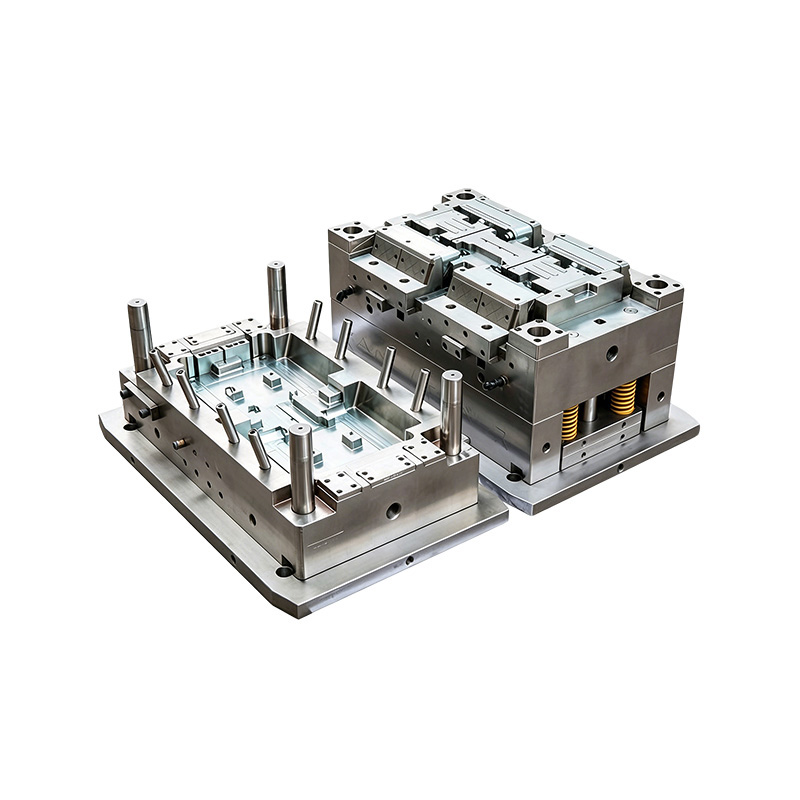
 Automotive Dashboard Injection Molds for High-Volume Interior PartsThese molds support lightweight dashboard components with integrated features like snap-fits and ribs, matching the need for consistent surface quality and uniform cooling described in the surrounding text.View Product →
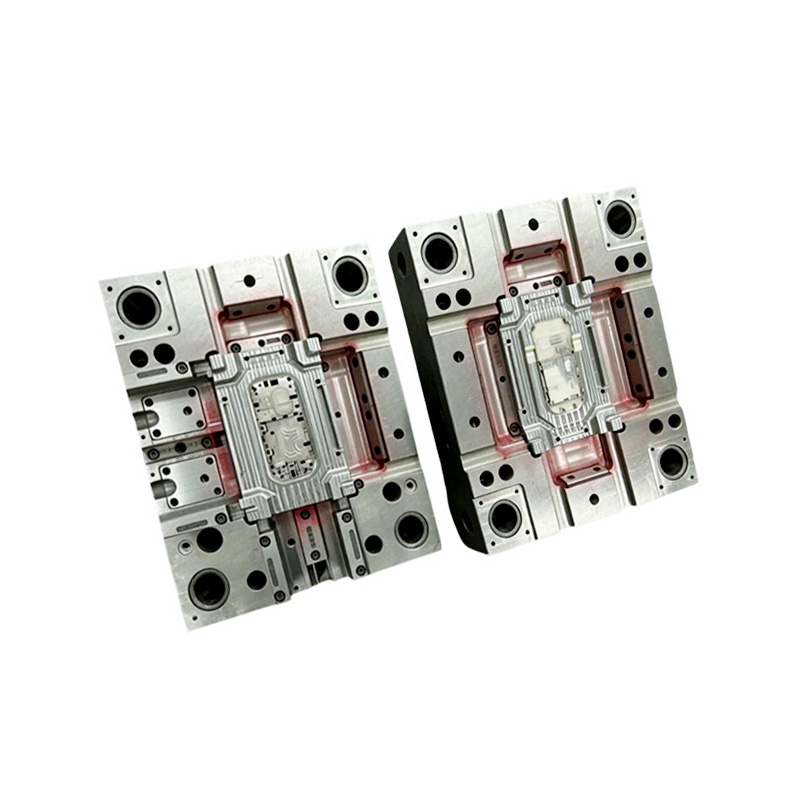
For electronics, miniaturization presses molding to its limits. A connector housing or relay shell may have wall sections under one millimeter and features measured in hundredths of a millimeter. The mold steel must be hardened, polished, and vented precisely to avoid short shots and burrs. Electronic connector molds are a good example of a product where design experience in flow analysis and gate placement makes the difference between a reliable component and a field failure.
 High-Precision Electronic Connector Injection MoldsDesigned for thin-wall, high-density connector housings using LCP and PA9T, these molds address the flow analysis and gate placement challenges that determine reliable performance in miniaturized electronics.View Product →
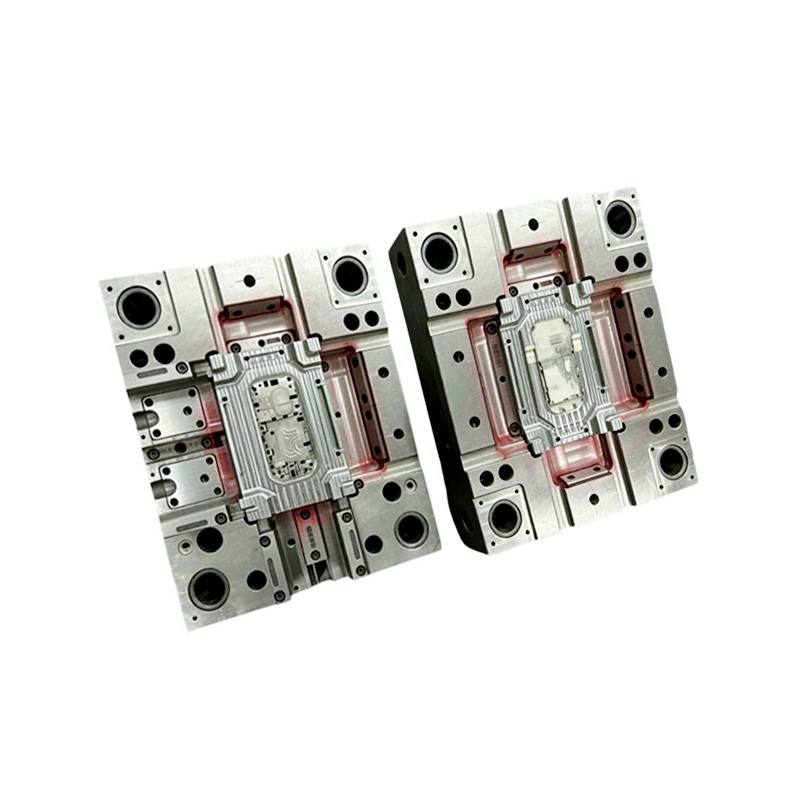
Medical products add regulatory weight. A syringe or infusion connector is a single-use item, so unit cost drives supplier selection, yet the process must be validated and traceable because patient safety sits on the line. The mold must produce cleanly without steel edges that trap contaminants, and the material must be processed under conditions that preserve its mechanical and chemical properties. In this segment, an experienced molding partner with documented process control is part of the product itself.
 Medical-Grade Infusion Connector Injection MoldsThese molds produce transparent, biocompatible infusion connectors with complex flow channels and secure seals, aligning with the regulatory traceability and clean production requirements highlighted in the passage.View Product →
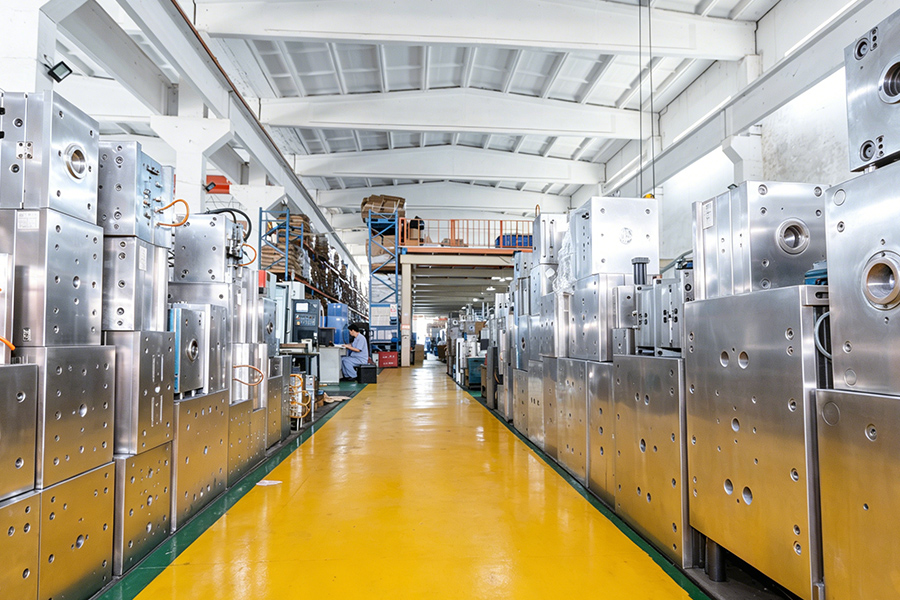
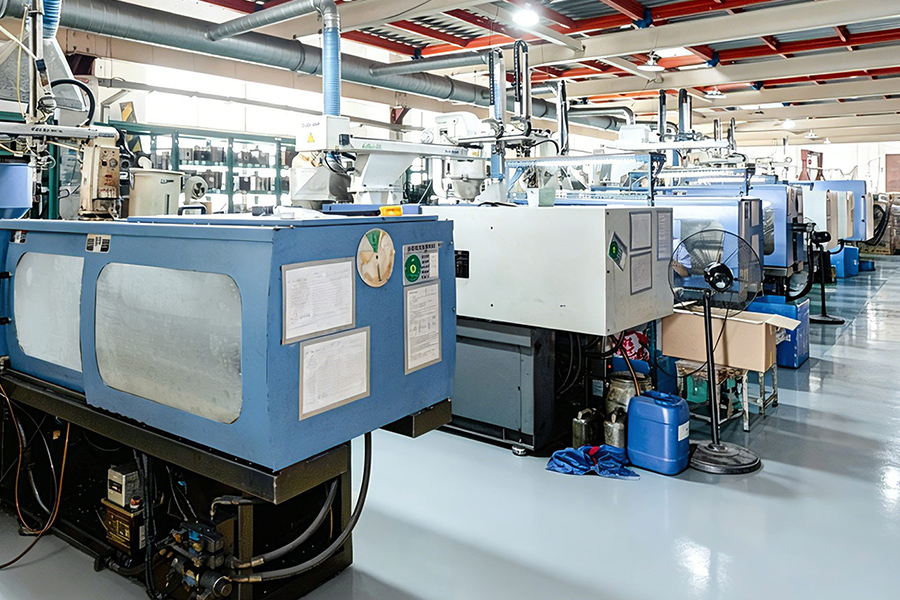
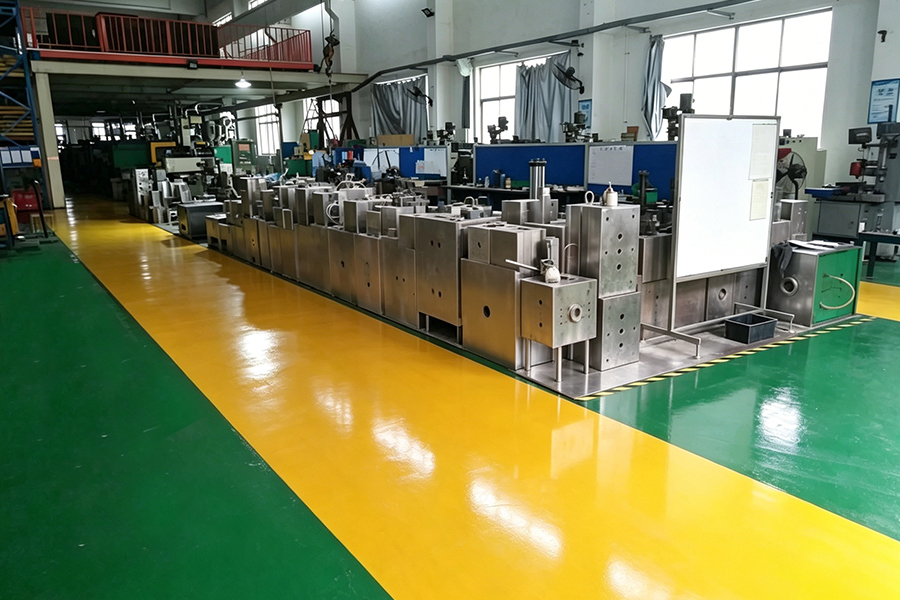
The injection molding machine is visible, but the mold is what determines success. A well-designed mold balances gate locations, cooling channels, and ejection systems. It is machined from steel that can withstand tens of thousands of cycles, and it is maintained on a schedule that prevents unplanned production stops. The mold locks in the product's geometry: every good part comes from a good cavity, and every defect, from sink to flash to a short shot, can usually be traced back to a mold design or maintenance issue. That is why companies serious about molding invest in in-house mold design and manufacturing, and why buyers should treat mold quality as their first supply-chain risk. Regular maintenance also matters more than most project teams expect: cooling channels block, surfaces wear, and parting lines lose their seal, and each of these issues changes part quality. The standard upkeep program is not complicated, but it must happen on schedule, and this explainer on why molds need regular maintenance outlines the typical failure points and recommended intervals.
Plastic injection molding is not the right answer for every part, and knowing the boundary conditions is as important as knowing the advantages. The main entry barrier is tooling cost: a production-grade mold can range from several thousand dollars for a simple single-cavity tool to six figures for a large multi-cavity mold with slides, lifters, and complex cooling. Tool lead time must also be planned in weeks, not days. For very low volumes or early design iterations, 3D printing, CNC machining, or rapid tooling may be better choices. Once a product moves into commercial production, however, the cost-per-part curve bends sharply in favor of injection molding. The decision point depends on annual volume and part complexity, but the rule of thumb is simple: the higher the volume and the more complex the part, the more important injection molding becomes.
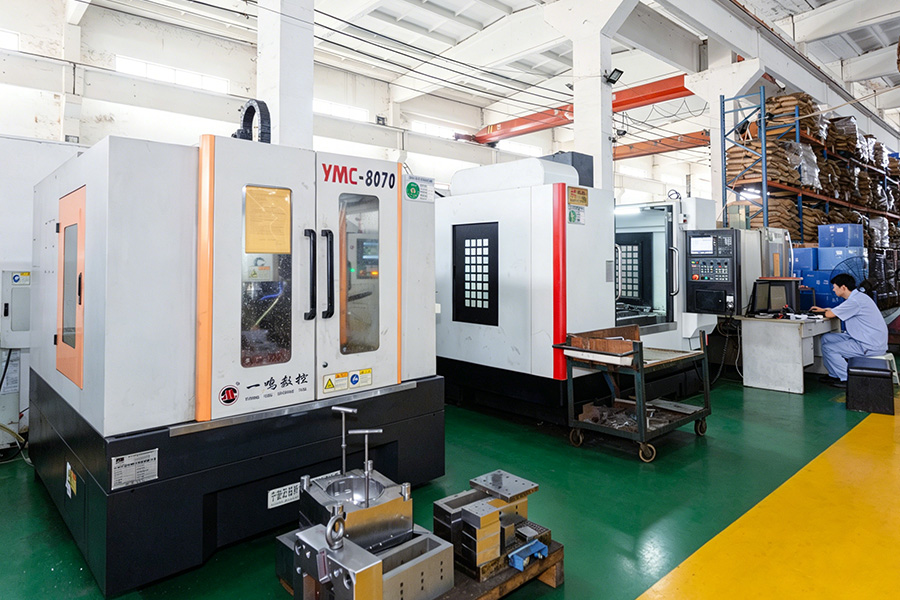
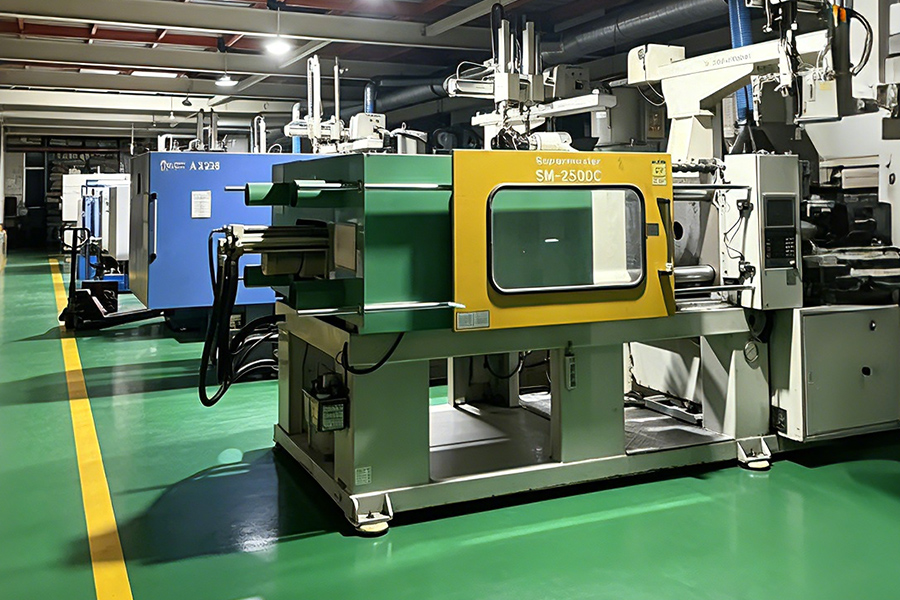
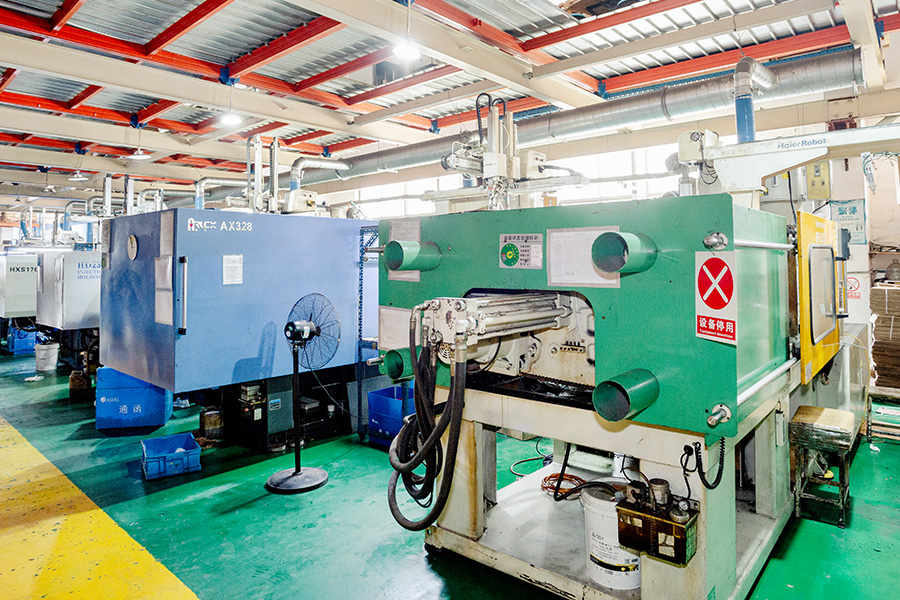
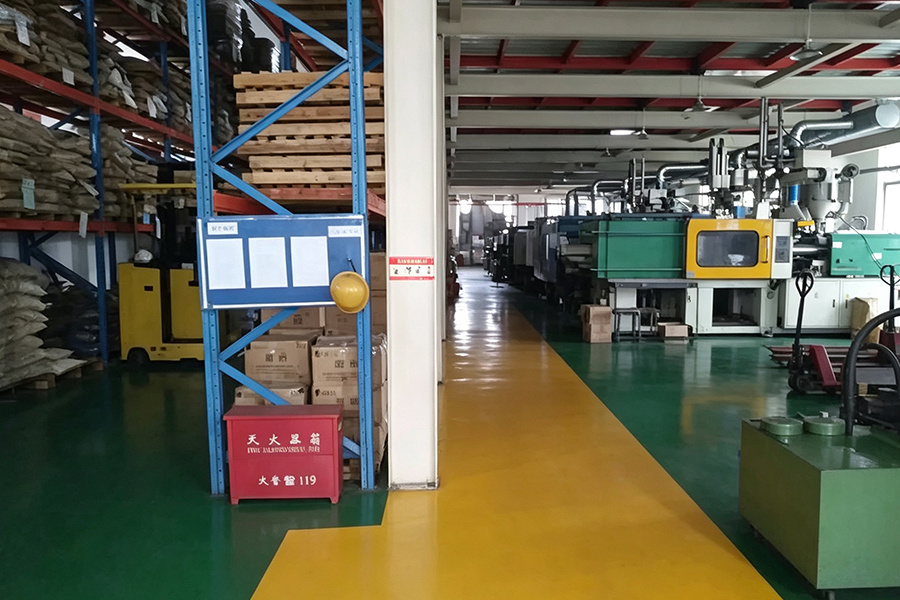
All of this explains why the molder you choose matters as much as the process itself. Start with mold-making capability: a supplier that designs and builds tools in-house can shorten the feedback loop when a design change is needed and control quality at the machining stage rather than discovering problems at trial. Check the range of injection molding machines as well, so the part can run on a press with the right clamp tonnage instead of being forced into a sub-optimal machine. Finally, look for industry experience, because automotive, medical, electronics, and home appliances each have their own standards for materials, documentation, and testing. The value of a partner shows up in practical details: how they quote tolerances, how they communicate during tool trials, and how they handle production ramp-up. You can explore the full range of industries and part types on the application overview page, then judge the molder against the specific demands of your product.
Injection molding is important for a straightforward reason: it turns a carefully engineered mold into millions of precise, durable, affordable plastic parts. It gives product teams the freedom to design boldly, choose from hundreds of materials, and scale from prototype to mass production without losing consistency. The upfront investment in tooling is real, but for the products that define modern life, from cars to syringes to the connectors inside a phone, no other process matches the combination of precision, speed, and cost efficiency. That is why injection molding remains the backbone of plastic manufacturing, and why the quality of the mold remains the deciding factor between profit and scrap.
 View More View More
 View More View More View More
 View More

+86-18939901200

+86-021-57800460

shpzsj@163.com

No. 88, Yechang Road, Yexie Town, Songjiang District, Shanghai, China
 Custom Precision Plastic Injection Mold Manufacturers